
Ticks are persistent pests that pose real risks to both humans and pets. In addition to the discomfort of bites, ticks transmit diseases that can have lasting health effects. Because these parasites thrive in outdoor spaces, particularly in shaded, humid areas, homeowners must adopt proactive tick control measures to protect their families.
Not all properties face the same risks, which means tick treatment strategies must be tailored to each unique environment. By identifying potential habitats, applying preventive steps, and partnering with professionals, homeowners can ensure long-term relief and peace of mind.
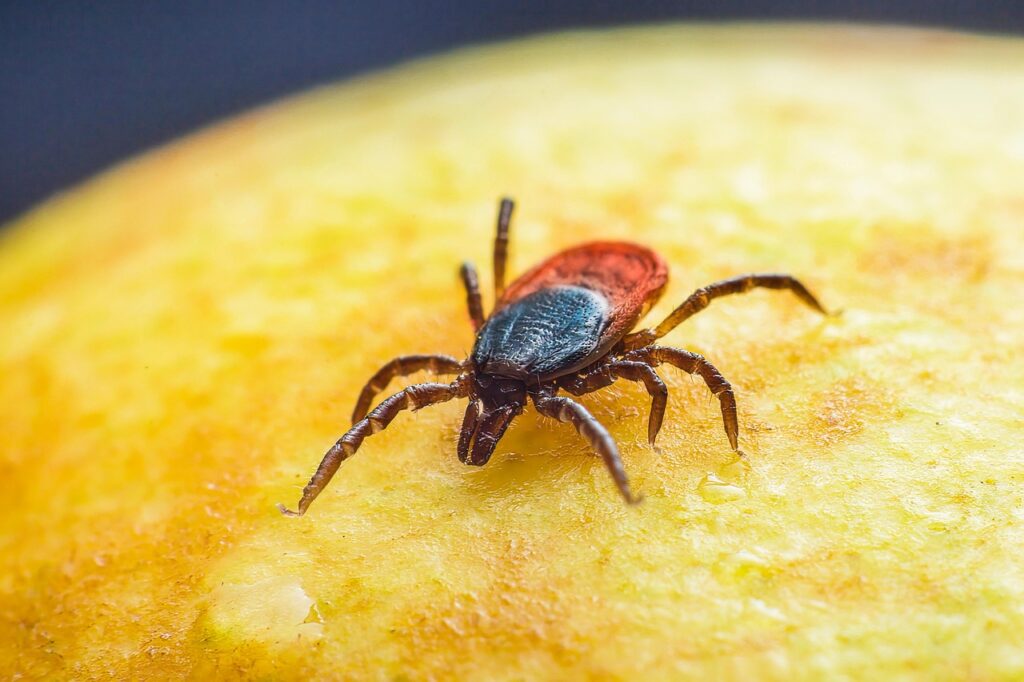
Understanding the Risks Ticks Pose
Ticks are more than seasonal nuisances; they are vectors of serious illnesses that affect people and animals alike. Their ability to thrive in a variety of habitats makes them challenging to manage without consistent effort.
Health and property concerns include:
- Lyme disease: One of the most common tick-borne illnesses, causing fatigue, joint pain, and neurological issues.
- Other tick-borne diseases: Illnesses such as babesiosis, ehrlichiosis, and Rocky Mountain spotted fever carry significant risks.
- Pet health: Dogs and cats are vulnerable to tick-borne infections that may lead to severe discomfort or chronic conditions.
- Population growth: Left unchecked, tick populations multiply quickly and spread throughout yards and outdoor spaces.
- Hidden infestations: Ticks often thrive unnoticed, making it easy for families to underestimate the extent of the problem.
Recognizing these risks is the first step toward creating a treatment plan that provides consistent and effective tick control for your property.
Identifying High-Risk Areas Around the Home
Ticks are highly adaptable, but they prefer environments that provide moisture, cover, and access to hosts. Pinpointing high-risk areas on your property is crucial for targeted treatment.
Common tick habitats near homes include:
- Tall grasses and weeds: These areas allow ticks to climb and attach to passing hosts.
- Wooded edges: Shaded zones at the boundary of yards are prime habitats.
- Leaf litter: Damp, decomposing leaves create the perfect shelter.
- Overgrown shrubs: Dense vegetation holds moisture that supports tick populations.
- Pet resting areas: Spaces where dogs and cats spend time outdoors often become hotspots.
Properties with wooded surroundings or poor yard maintenance face increased challenges. Homeowners should pay particular attention to these zones, especially if they notice signs of ticks in the backyard. Addressing problem areas early helps prevent larger infestations.
The Role of Landscaping in Tick Prevention
The way you manage your yard directly affects tick populations. Landscaping choices can either reduce risks or create environments where ticks thrive. Tailoring yard care routines to discourage tick activity is one of the most effective strategies for prevention.
Landscaping steps that support tick control include:
- Regular mowing: Keeping grass short reduces cover for ticks.
- Clearing debris: Removing leaves, brush, and yard waste eliminates hiding places.
- Woodpile management: Storing firewood neatly and away from the home prevents ticks from settling.
- Shrub trimming: Cutting back overgrown plants increases sunlight and lowers moisture levels.
- Gravel barriers: Installing barriers between wooded areas and lawns helps keep ticks from spreading into open spaces.
These practices reduce the likelihood of ticks establishing themselves around your home. Insights into the connection between landscaping and tick populations further illustrate how outdoor environments directly influence infestations.
Developing a Customized Tick Treatment Plan
A one-size-fits-all approach rarely works for tick management. Each property has unique features, and tick activity varies depending on geography, climate, and landscaping. Developing a customized treatment plan ensures that prevention and control efforts are both efficient and long-lasting.
Key components of a tailored plan include:
- Property inspection: Identifying breeding sites and high-risk zones around the yard.
- Targeted treatments: Applying solutions where ticks are most likely to live.
- Seasonal adjustments: Increasing treatments during peak tick activity in spring and summer.
- Pet protection: Coordinating yard treatments with veterinary-recommended preventatives.
- Ongoing monitoring: Regular follow-ups to evaluate results and adapt strategies.
Custom plans not only reduce tick populations but also provide peace of mind that your family and pets are consistently protected against infestations.
Why Professional Tick Control Matters
Although homeowners can take steps to minimize risks, professional intervention provides the expertise and consistency needed for complete tick management. Specialists understand tick behavior, identify hidden habitats, and apply treatments safely and effectively.
Benefits of professional tick control include:
- Thorough inspections: Experts identify risk areas homeowners often overlook.
- Safe applications: Professional-grade treatments are applied without endangering people or pets.
- Integrated strategies: Control programs combine prevention with long-term monitoring.
- Disease reduction: Limiting tick populations lowers the risk of exposure to illnesses.
- Sustained results: Regular service ensures ticks do not return as soon as weather conditions shift.
Investing in professional support means you are not just reacting to infestations but actively preventing them. This proactive approach protects both health and property value over time.
Take Steps Toward a Safer Home
Ticks may be small, but their impact on health and comfort is significant. By identifying risk areas, improving landscaping, and tailoring a treatment plan, homeowners can reduce infestations and protect their families. For comprehensive tick control designed around your specific needs, contact WPC Services today and keep your home environment safe year-round.