
Summer in MetroWest brings longer days, warmer nights, humidity, steady plant growth, and more time spent outdoors. Those same conditions can increase pest pressure around homes. Ants may move toward kitchens, patios, and foundation gaps. Cockroaches may look for moisture. Mosquitoes and ticks can become more active in shaded yards. Rodents may use storage areas, garages, and exterior openings for shelter. Termites can remain hidden while moisture and wood conditions support activity.
Pest control during summer is not only about treating what appears inside the home. It is about understanding how weather, landscaping, structure, and daily routines create openings. A professional inspection connects these factors, so small activity does not become a recurring problem. This matters across Hopkinton, Framingham, Westborough, Wellesley, Holliston, Sudbury, and nearby MetroWest communities, where wooded lots, older homes, and humid summer patterns can create steady pressure around both homes and businesses.

Humidity Pushes Pests Toward Homes
Humidity changes how pests behave. Damp air and moisture make shaded corners, basements, crawl-space edges, bathrooms, kitchens, and garages more attractive. In older MetroWest homes, small gaps, aging trim, and foundation openings can give pests easy access when outdoor conditions become uncomfortable.
Common humidity-related concerns include:
- Ant trails near sinks, doors, pantry areas, and damp foundation edges
- Cockroaches appearing near drains, appliances, basements, or utility rooms
- Spiders follow insects into quiet corners, garages, and storage areas
- Termite pressure near damp wood, soil contact, or moisture-prone trim
- Rodent activity around garages, sheds, vents, or protected exterior gaps
Humid conditions often make pest activity feel sudden, but the pressure usually builds over time. A guide to humid pest activity shows why moisture can move pests closer to indoor living areas. Professional service helps identify whether the sighting is isolated or connected to a larger pattern.
Yards Become Active Pest Corridors
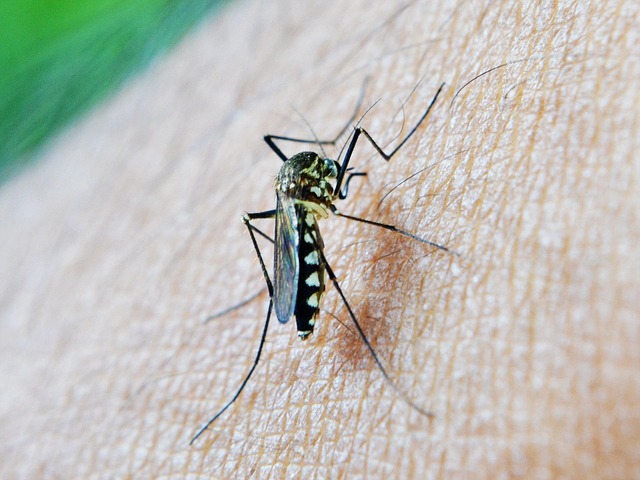
Summer yards can quietly support pest movement. Thick grass, leaf litter, garden beds, overgrown shrubs, wood piles, and shaded fence lines can provide shelter for insects, ticks, mosquitoes, and rodents. These outdoor areas often sit close to patios, doors, windows, and foundations, making it easier for pests to move toward the structure.
Yard conditions that raise concern include:
- Standing water in buckets, planters, gutters, toys, or low lawn areas
- Dense vegetation that traps moisture and hides tick or mosquito activity
- Wood, mulch, or debris stored close to siding, decks, or foundations
- Outdoor lighting that attracts insects and supports spider activity
- Untrimmed edges near fences, sheds, garages, and entry paths
A clean, open yard does not eliminate every pest issue, but it reduces the shelter and moisture that pests use. The role of yard cleanup is especially important during summer because overgrowth can hide activity until pests reach the home.
Entry Points Turn Outdoor Pressure Into Indoor Problems
MetroWest homes vary widely in age, layout, and construction style. Some have basements, crawl spaces, attached garages, older wood framing, additions, or weathered exterior details. Each feature can create small openings that pests use when summer pressure rises.
Professionals often check:
- Door sweeps, basement windows, garage seals, and damaged screens
- Utility openings for plumbing, cable, electrical, and HVAC lines
- Foundation cracks, siding gaps, sill plates, and trim separations
- Vents, soffits, roof returns, and attic access points
- Storage areas where droppings, webbing, nesting, or trails may appear
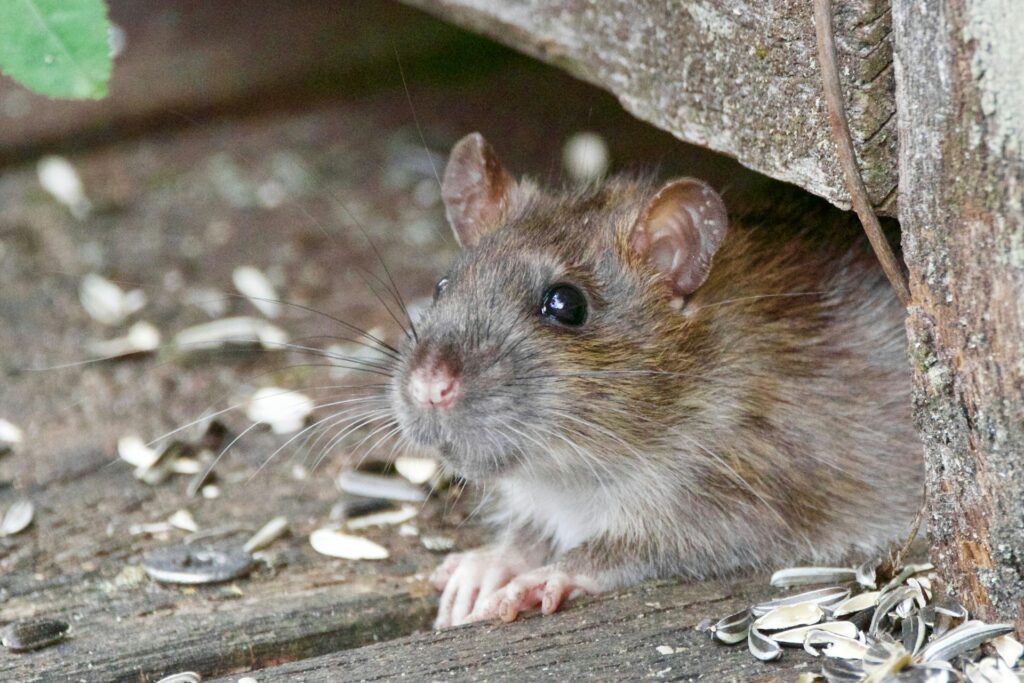
Entry-point inspection matters because pests rarely use every opening. Ants, cockroaches, rodents, mosquitoes, ticks, termites, and spiders follow conditions that support them. A targeted plan focuses on active routes, not guesswork. It also helps determine whether exclusion, treatment, monitoring, or moisture correction should come first.
Consistent Service Helps Break Summer Patterns
Summer pests are persistent because their conditions change week by week. Rainfall can increase moisture. Heat can drive pests toward shade and water. Landscaping growth can create more cover. Outdoor meals, vacations, trash schedules, and pet activity can all influence pest movement.
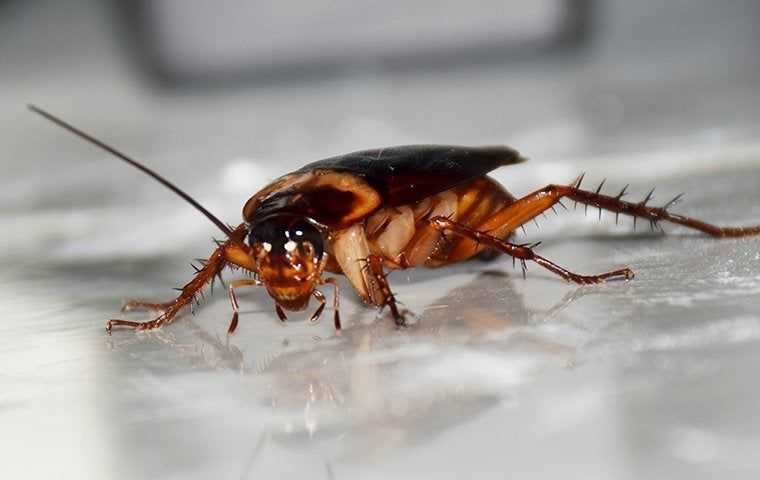
A one-time response may reduce visible activity, but it may not address the source. Ant colonies, cockroach harborage, termite activity, mosquito breeding spots, tick zones, and rodent routes can continue when conditions remain favorable. Consistent service gives the property repeated evaluation, which helps catch new pressure before it becomes obvious indoors. It also creates a service history, making it easier to compare current signs with previous activity and adjust the plan as the season changes.
Professional pest control also helps homeowners understand what each sign means. A few ants near a door may indicate an exterior trail. Webs near lights may point to insect activity. Rodent droppings may show a travel route. Moisture near wood may deserve termite attention. When these signs are read together, the plan becomes more accurate and better suited to long-term protection.
Keep MetroWest Homes Ready For Summer
Summer pest pressure is easier to manage when humidity, yard conditions, entry points, and seasonal activity are inspected together. For professional help with ants, cockroaches, mosquitoes, rodents, termites, ticks, spiders, carpenter ants, residential pest control, commercial pest control, and related concerns, contact WPC Services.