
Backyard season brings longer days, outdoor meals, playtime, gardening, and more time for pets and families to move through lawns and landscaped areas. It also creates more opportunities for ticks to be picked up from grass, brush, shaded edges, and places where wildlife travels.
Effective tick control works best before activity peaks because ticks can remain hidden in vegetation and attach without being noticed right away. Early inspection, habitat management, targeted treatment, and follow-up can reduce exposure before outdoor spaces become heavily used.
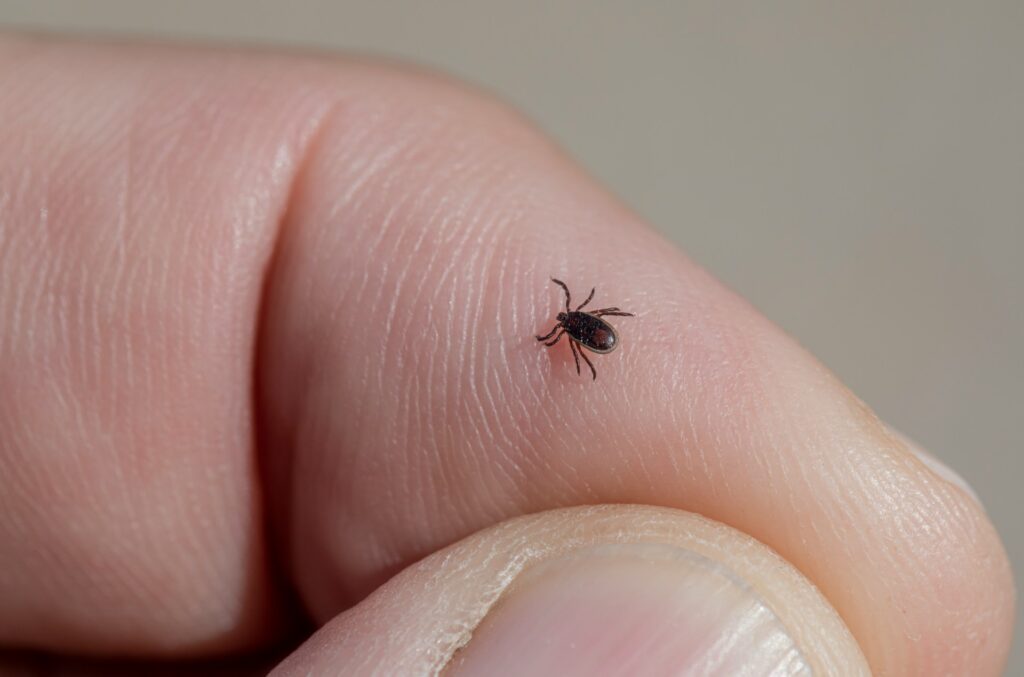
Warm Weather And Humidity Increase Tick Activity
Ticks depend on suitable temperature and moisture conditions to remain active. As spring shifts into summer, warmer weather and humid, shaded areas can extend the time ticks spend waiting for a host.
Higher-risk conditions may include:
- Tall grass along fences, property lines, and wooded edges
- Leaf litter that holds moisture close to the soil
- Dense shrubs that create cool, shaded hiding areas
- Ground cover near patios, play areas, or walkways
- Damp landscape beds that stay protected from direct sun
- Wildlife routes that cross lawns or garden areas
These conditions matter because backyard activity often increases at the same time. Children, pets, guests, and homeowners may brush against vegetation more often, raising the chance of contact before anyone realizes ticks are present.
Planning ahead also gives homeowners time to address yard conditions gradually instead of reacting after tick pressure becomes obvious. That makes prevention easier to coordinate with landscaping, pet routines, and normal summer maintenance.
Pets And Wildlife Can Move Ticks Through The Yard
Ticks do not need to travel far on their own when animals carry them. Deer, rodents, birds, and other wildlife can introduce ticks into residential landscapes, while dogs and cats can pick them up during normal outdoor activity.
A yard can therefore develop tick pressure even when it looks well maintained. The most important areas are often transition zones where lawns meet shrubs, fences, woods, sheds, or other cover.
Understanding summer tick risks helps explain why pets and family members may be exposed in ordinary backyard spaces. Repeated sightings on pets can also indicate that the surrounding property, not only the animal, needs closer attention.
Professional inspection helps identify where host movement, vegetation, and moisture overlap so treatment can focus on the areas most likely to support activity.
Yard Design Can Create Hidden Tick Hot Spots
Backyards are rarely uniform. Sunny open grass may be less favorable than shaded borders, leaf-covered corners, or areas beneath dense landscaping. Ticks often concentrate where humidity stays higher, and hosts pass close to vegetation.
Areas worth monitoring include:
- Shaded fence lines with tall grass or weeds
- Woodpiles positioned near lawn edges
- Leaf buildup beneath shrubs and ornamental plants
- Pet-resting areas close to dense vegetation
- Paths that run beside wooded or overgrown sections
- Outdoor seating placed close to ground cover
Reducing unnecessary overgrowth can make these zones less favorable, but an established tick problem may require more than landscape cleanup. Targeted tick control can address the places where activity is actually concentrated rather than treating every part of the yard the same way.
Early Treatment Helps Before Backyard Use Peaks
Waiting until ticks are repeatedly found on people or pets can make the problem more disruptive. By that point, outdoor areas may already be supporting ongoing activity through vegetation, moisture, and animal movement.
The value of early treatment becomes even clearer when considering how commercial tick control focuses on high-use outdoor spaces. The same principle applies at home. Patios, play areas, walkways, pet zones, and yard edges deserve attention before they become busy throughout summer.
Professional service can evaluate where people spend time, where pets travel, and where tick habitat is most favorable. This makes treatment more precise and supports a long-term plan rather than a one-time reaction after a bite or sighting.
Long-Term Tick Control Depends On Monitoring And Prevention
Tick pressure can change as vegetation grows, rainfall increases, wildlife movement shifts, or outdoor use changes. That is why a single treatment should not be viewed as the entire strategy.
A complete approach may include:
- Inspecting shaded and high-risk areas before peak season
- Reducing leaf litter and excessive vegetation near active spaces
- Evaluating wildlife and rodent movement around property edges
- Applying targeted treatment to confirmed tick habitat
- Monitoring pet areas, walkways, and lawn borders
- Scheduling follow-up as seasonal conditions change
Professional tick control is most effective when treatment and property conditions are considered together. The goal is to reduce the places ticks can survive, identify where hosts are bringing them into the yard, and keep pressure from building unnoticed.
Backyard season should not begin with repeated tick concerns. Preparing early gives homeowners more time to reduce habitat, address high-risk zones, and create a more comfortable outdoor environment before summer activity reaches its busiest point.
Make The Yard Ready Before Tick Season Peaks
If ticks are appearing around your lawn, pets, or outdoor gathering areas, contact WPC Services for professional tick control focused on inspection, targeted treatment, habitat reduction, and follow-up.