
Wood-destroying pests can cause serious structural concerns, but not all damage looks the same. Carpenter ants and termites are often confused with one another, yet they behave differently and leave behind distinct signs. For homeowners, understanding these differences is essential for early detection and effective pest control.
Both pests can remain hidden for long periods, quietly affecting wood structures behind walls, under floors, or within attics. Because of this, damage is often discovered only after it has progressed. Knowing what to look for helps reduce the risk of long-term issues and costly repairs.
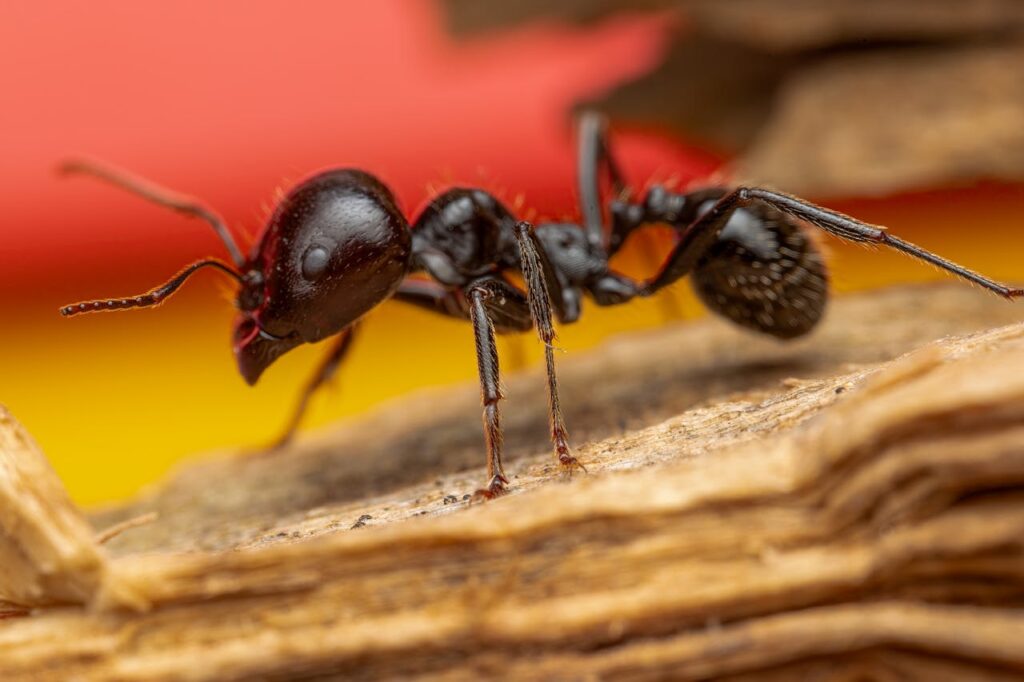
How Carpenter Ants And Termites Interact With Wood
Carpenter ants and termites both target wood, but their reasons for doing so are very different. Termites consume wood as a food source, breaking it down to extract nutrients. This process allows them to tunnel through structural components, often leaving hollowed-out areas behind.
Carpenter ants, on the other hand, do not eat wood. Instead, they excavate it to create nesting galleries. These tunnels provide shelter for their colonies, which can expand over time as the population grows.
This distinction plays a major role in how damage appears. Termite activity tends to weaken wood internally, while carpenter ants create smoother, more defined tunnels. Recognizing these patterns is key to identifying which pest may be present.
Key Damage Differences Homeowners Often Overlook
- Wood texture. Termite-damaged wood appears rough and layered, while carpenter ant tunnels are smoother
- Debris presence. Carpenter ants leave behind sawdust-like material, while termites consume the wood they remove
- Hollow sounds. Termite activity often creates thin outer surfaces that sound hollow when tapped
- Structural patterns. Termites follow the grain of the wood, while carpenter ants carve across it
- Moisture association. Carpenter ants are often linked to damp or decaying wood, while termites can infest both dry and moist areas
These differences can be subtle, especially in the early stages. Without close inspection, it is easy to misinterpret the signs or overlook them entirely.
Early Warning Signs Of Carpenter Ant Activity
- Small piles of wood shavings. Fine debris near baseboards or windows
- Rustling sounds in the walls. Movement within wooden structures
- Winged ants indoors. Swarmers appear during warmer months
- Visible trails. Ants are traveling between nesting and feeding areas
- Damaged wood edges. Smooth, carved openings in affected areas
Carpenter ant damage often develops gradually, making it less noticeable at first. Over time, however, these signs become more visible as the colony expands.
For a deeper look at identifying these patterns, reviewing carpenter ant damage clues can provide helpful insight into what to watch for in the early stages.
Subtle Indicators Of Termite Infestation
Termite activity is often more difficult to detect because it occurs mostly out of sight. These pests typically remain within walls, foundations, or underground, making visible signs less obvious.
Common indicators include mud tubes along foundation walls, blistering paint, or wood that appears intact on the surface but is weakened underneath. Termites can cause extensive damage before these signs become noticeable.
Seasonal changes can also influence termite behavior. Understanding how activity shifts throughout the year can help with early detection. Exploring termite signs in winter provides additional perspective on how infestations can develop even during less active seasons.
Why Misidentification Leads To Bigger Problems
- Incorrect treatment approach. Different pests require different solutions
- Delayed response. Misreading signs can allow infestations to grow
- Increased damage. Ongoing activity weakens structural components
- Higher repair costs. Extensive damage often requires more complex repairs
- Recurring infestations. Without proper identification, problems may return
Misidentifying carpenter ants as termites, or vice versa, can lead to ineffective pest control efforts. Each pest requires a specific approach that addresses its behavior and nesting habits.
How Damage Progresses Over Time
Both carpenter ants and termites can cause significant structural issues if left unchecked. Termites often cause more rapid damage due to their ability to consume wood continuously. Carpenter ants, while slower, can still create extensive tunnel systems that weaken structural integrity.
As damage progresses, it may affect load-bearing components, flooring, and framing. This can lead to visible sagging, cracks, or instability within the home. Early detection is critical to preventing these outcomes.
A long-term perspective is important when dealing with wood-destroying pests. Addressing the problem early helps maintain the condition of the structure and reduces the likelihood of repeated issues.
When Professional Pest Control Becomes Necessary
- Uncertain pest identification. Difficulty distinguishing between carpenter ants and termites
- Visible structural damage. Signs of weakening wood or compromised areas
- Recurring activity. Pests returning after initial attempts to manage them
- Hidden infestations. Activity suspected but not clearly visible
- Expanding problem areas. Damage spreading to multiple parts of the home
These situations often require a more detailed evaluation. Professional pest control focuses on identifying the pest accurately and applying targeted solutions that address both current activity and future prevention.
Building A Long-Term Protection Strategy
Protecting a home from carpenter ants and termites involves more than reacting to visible damage. It requires understanding how these pests behave and how environmental conditions contribute to their presence.
Maintaining dry conditions, addressing moisture issues, and monitoring vulnerable areas are all part of a long-term approach. Regular inspections help identify early signs before they develop into larger problems.
Consistent pest control strategies provide a more reliable level of protection. By focusing on prevention and early intervention, homeowners can reduce the risk of extensive damage and maintain a stable environment.
Protect Your Home Before Damage Spreads
If you are noticing signs of wood damage or are unsure which pest may be responsible, taking action early can make a significant difference. Contact WPC Services to explore pest control solutions designed to identify, manage, and prevent carpenter ant and termite infestations.