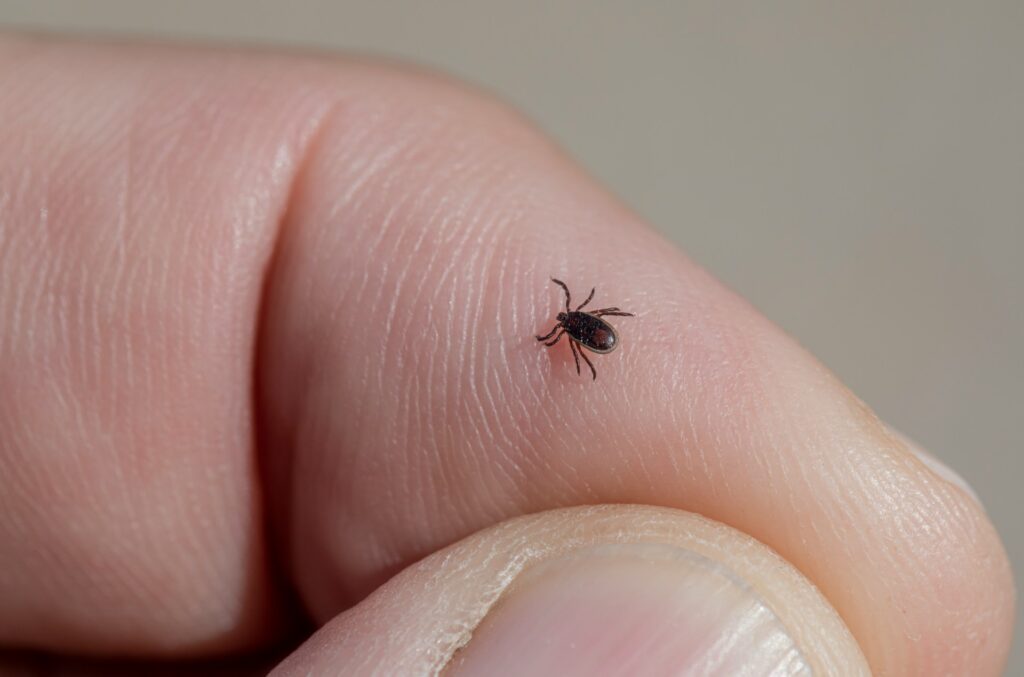
Ticks are a persistent concern for homeowners, especially in areas where wildlife activity is common. These pests rely on animals such as deer, rodents, and other hosts to survive and spread. As a result, tick presence is often closely tied to the movement of wildlife through a property.
Tick prevention involves more than treating the yard. It requires a broader strategy that limits exposure, reduces attractants, and manages how pests are introduced. Fencing plays a key role in this process by acting as a physical barrier that helps control the flow of wildlife and supports long-term pest control efforts.
Why Wildlife Plays A Major Role In Tick Activity
Ticks do not travel long distances on their own. Instead, they attach to animals and are carried into new environments. This makes wildlife one of the primary contributors to tick presence around homes.
Common wildlife carriers include:
- Deer that move through open areas and wooded edges
- Rodents such as mice that thrive near structures
- Small mammals that use yards as shelter or feeding grounds
- Pets that may come into contact with ticks outdoors
- Birds that can introduce ticks into new areas
When these animals enter a property, they can introduce ticks into lawns, gardens, and surrounding areas. Over time, this leads to increased tick activity and a higher risk of exposure.
Understanding this connection is essential for effective tick prevention. Reducing wildlife access directly impacts how ticks spread within a property.
How Fencing Supports Tick Prevention
Fencing acts as a controlled boundary that limits the movement of animals into a yard. Reducing access to wildlife carriers, it helps minimize the introduction of ticks.
Key benefits of fencing include:
- Restricting the entry of larger animals such as deer
- Creating a defined barrier around outdoor living spaces
- Reducing the likelihood of wildlife nesting near the home
- Supporting other pest control measures by limiting exposure
- Helping maintain a more controlled environment
While fencing alone does not eliminate ticks, it significantly reduces one of the main sources of infestation. It works best when combined with other preventive strategies that address conditions within the yard.
A well-designed fence can create a separation between natural habitats and residential spaces, making it more difficult for ticks to be introduced.
Additional Strategies That Work Alongside Fencing
Fencing is most effective when used as part of a comprehensive tick prevention plan. Combining multiple approaches helps address both the source of ticks and the conditions that allow them to thrive.
Effective supporting strategies include:
- Maintaining short grass and reducing overgrown vegetation
- Removing leaf litter and debris where ticks can hide
- Creating buffer zones between wooded areas and the yard
- Managing moisture levels to reduce favorable conditions
- Scheduling regular pest control treatments
These steps help create an environment that is less attractive to ticks. They also improve the effectiveness of fencing by addressing internal conditions within the property.
For a more detailed look at how to establish safer outdoor spaces, this guide on creating tick-safe zones explains how different strategies work together to reduce risk.
Consistency across all measures ensures that tick prevention remains effective over time.
The Importance Of A Structured Pest Control Plan
While fencing and maintenance play important roles, long-term tick prevention requires a structured pest control plan. Ticks can adapt to changing conditions, making ongoing monitoring essential.
A comprehensive plan typically includes:
- Regular inspections to identify tick activity
- Targeted treatments applied at appropriate intervals
- Monitoring of wildlife activity around the property
- Adjustments based on seasonal and environmental changes
- Integration of multiple prevention methods
This approach ensures that tick prevention is not limited to a single solution. Instead, it evolves with the conditions of the property.
Understanding the risks of not having a consistent plan highlights the importance of this approach. This overview of pest control plan risks explains how gaps in prevention can lead to recurring issues.
By maintaining a structured plan, homeowners can reduce uncertainty and achieve more reliable results.
Long-Term Benefits Of Combining Fencing And Professional Support
Fencing provides a strong foundation for tick prevention, but its effectiveness increases when combined with professional pest control services. Together, they create a layered approach that addresses both external and internal factors.
Key long-term benefits include:
- Reduced the introduction of ticks through wildlife carriers
- Improved control of tick populations within the yard
- Greater consistency in maintaining a safe outdoor environment
- Ability to adapt strategies based on changing conditions
- Increased confidence in overall pest control efforts
This combination allows homeowners to manage tick activity more effectively. It also reduces the likelihood of sudden increases in tick populations.
Professional services provide the expertise needed to evaluate conditions and apply treatments with precision. This ensures that all aspects of tick prevention are addressed.
Creating A Safer Outdoor Environment
Tick prevention is not a one-time effort. It requires ongoing attention to both the environment and the factors that influence pest activity. Fencing plays an important role by limiting wildlife access, but it works best as part of a broader strategy.
By combining fencing with maintenance, monitoring, and professional support, homeowners can create a more controlled and predictable outdoor space. This approach reduces exposure and supports long-term protection.
Taking proactive steps early helps prevent more complex issues later. It also ensures that outdoor areas remain comfortable and safe for everyday use.
Strengthen your defense against ticks
If you are looking to improve your tick prevention strategy and protect your outdoor space, a structured approach can make a lasting difference. Connect with WPC Services to explore pest control solutions designed for consistent and reliable protection.