
Shade makes outdoor spaces more comfortable during warm weather, but it can also create conditions that mosquitoes and ticks use to stay active. Thick trees, tall shrubs, groundcover, leaf buildup, damp soil, and shaded fence lines can hold moisture longer than open areas. These quiet, protected spaces give pests places to rest, develop, or wait for people and pets to pass nearby.
Effective pest control starts by understanding why mosquitoes and ticks gather in certain parts of the yard. Mosquitoes need water and sheltered resting areas. Ticks often stay in grass, shrubs, leaf litter, and edges where pets, wildlife, and people move through. The same shaded conditions may also support ants, cockroaches, rodents, termites, and other household pests when moisture, shelter, and access points line up near the home.
Shade Holds Moisture Longer
Shaded yards dry more slowly after rain, irrigation, or morning dew. That moisture helps mosquitoes and ticks remain active during hot weather. Areas beneath shrubs, along fences, near wood lines, around stone borders, and beside foundation plantings can stay cool and damp even when the rest of the lawn looks dry.
- Dense shrubs can trap humidity close to the ground.
- Leaf litter can hold moisture and protect ticks from drying out.
- Overwatered grass can create mosquito-friendly conditions near shaded areas.
- Low spots can collect water where mosquitoes may develop.
These conditions are easy to overlook because they do not always look wet. A professional inspection helps identify the yard zones where moisture and shelter overlap.
Tick Risks Increase Near Yard Edges
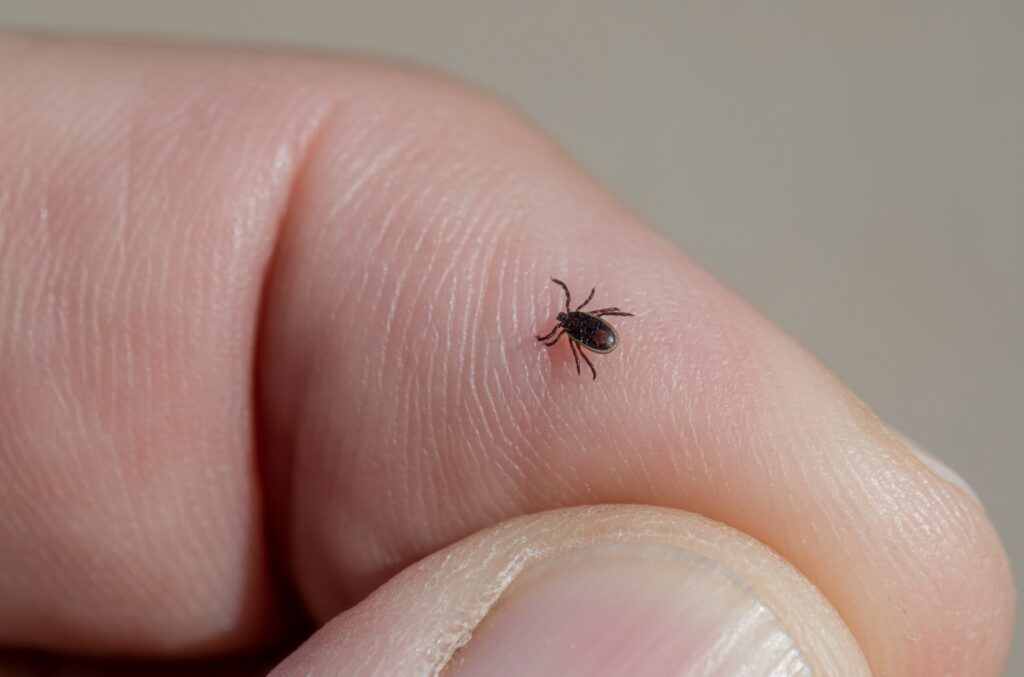
Ticks do not usually stay in open, sunny lawn areas for long. They prefer protected locations where they can wait on grass, weeds, brush, or low vegetation. Shaded edges near trees, fences, garden beds, and stone walls can become active zones, especially where pets or people pass through regularly.
Concerns about summer tick risks are important because ticks can affect both families and pets. Finding ticks on pets, furniture, bedding, or people may indicate that activity is already established nearby. Shaded yard edges can make those encounters more likely when prevention is not planned around the full property.
Professional tick control can evaluate where ticks are likely to rest and how nearby landscape conditions may increase exposure.
Mosquitoes Use Shade To Rest
Mosquitoes are often associated with standing water, but adult mosquitoes also need places to rest. Shaded plants, tall grass, under-deck areas, dense hedges, patio furniture, and damp corners can protect them from heat, wind, and sunlight. This is why mosquitoes may bite most often near certain seating areas or walkways.
- Patio shade can give mosquitoes a protected resting zone near people.
- Thick plantings can shelter mosquitoes during the hottest part of the day.
- Containers and drainage areas can provide water close to resting sites.
- Fence lines and foundation beds can hold still air and moisture.
A yard may have only a few water sources, but if shade gives mosquitoes nearby shelter, activity can feel constant. Inspection helps connect biting zones with breeding and resting conditions.
Health Concerns Make Timing Important
Mosquito and tick activity is more than an outdoor nuisance. Mosquito bites can irritate the skin and may involve disease concerns in some regions. Ticks are also associated with health risks for people and pets. When activity appears repeatedly, waiting can allow populations to build through the season.
A deeper look at mosquito health risks shows why mosquito infestations deserve a serious response. Around homes, the issue is often a combination of breeding water, shaded resting areas, and repeated human or pet exposure.
Professional service helps with timing because mosquitoes and ticks behave differently. Mosquitoes can rebound after rain or irrigation changes, while ticks may remain active in protected vegetation. A targeted plan considers both pests instead of treating the yard as one flat surface.
Long-Term Prevention Needs A Yard-Wide Plan
Shaded yards are not a problem by themselves. Trees, shrubs, and landscape beds can make outdoor spaces attractive and useful. The concern is when shade, moisture, clutter, and pest access combine. Long-term prevention looks at the full yard, the home’s exterior, and the places people and pets use most often.
- Schedule inspection before peak warm-weather activity becomes heavy.
- Watch shaded grass, shrubs, beds, fence lines, and pet resting areas.
- Review standing water, drainage, irrigation patterns, and damp leaf buildup.
- Use professional follow-up when ticks or mosquitoes return in the same areas.
A whole-property approach can also identify related pest pressures. Ants may follow moisture and food. Cockroaches may use damp exterior areas. Rodents may travel along shaded edges. Termites may be linked to moisture-prone wood or soil contact. When service is based on inspection, pest control becomes more precise and more useful over the long term.
Make Shaded Spaces Safer To Enjoy
For pest control that considers shaded yard conditions, mosquito and tick activity, pet exposure, moisture, and recurring seasonal pressure, contact WPC Services for professional support shaped around safer outdoor comfort.