
Standing water is one of the most important conditions behind increased mosquito activity around homes. Mosquitoes need water to complete the early stages of their life cycle, and they do not require a pond, marsh, or large puddle to do it. Small amounts of water left after rain, irrigation, or routine outdoor use can be enough to support developing mosquitoes close to patios, doors, play areas, and pet spaces.
Effective mosquito control starts with finding where water collects and understanding which shaded areas adult mosquitoes use for resting. A professional inspection helps connect breeding sites, resting zones, and biting activity so treatment can focus on the areas contributing most to the problem.
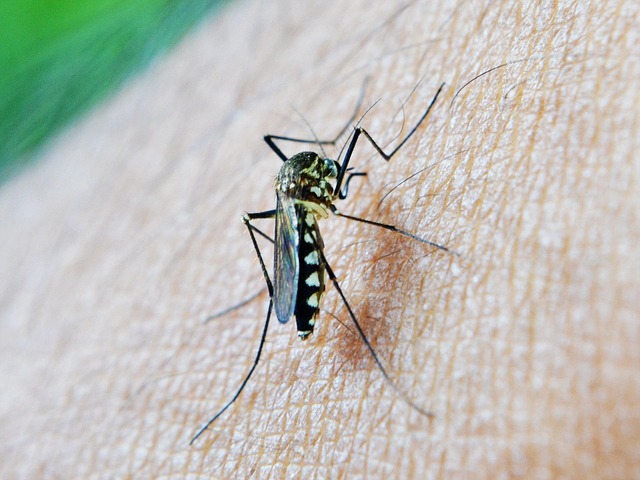
Small Water Sources Can Produce More Mosquitoes Than Expected
Many mosquito breeding sites are easy to overlook because they are ordinary landscape features. Water may remain in them for several days without attracting attention, especially when the location is shaded or hidden by vegetation.
Common trouble spots include:
- Plant saucers beneath porch or patio containers
- Gutters that hold water behind leaves or roof debris
- Birdbaths, pet bowls, buckets, and outdoor toys
- Tarps that sag and collect rainwater
- Furniture, storage lids, and equipment with shallow depressions
- Tree holes, root pockets, and low sections of lawn
A review of hidden breeding sites shows how small, ordinary water sources can become productive mosquito habitat. Shade slows evaporation, while nearby shrubs or other vegetation can provide resting areas for adults after they emerge.
Drainage, Irrigation, And Shade Can Keep Water Around Longer
Standing water is not always caused by a forgotten container. Property drainage and irrigation can repeatedly refill the same low areas, creating a dependable breeding cycle after every storm or watering period. Downspouts, compacted soil, foundation corners, and basement stairwells may all hold shallow water longer than homeowners realize.
Areas worth checking include:
- Downspout outlets with low spots or poor drainage
- Irrigation zones that stay wet after watering
- Foundation edges where grading directs water toward the home
- Exterior drains that empty slowly
- Basement stairwells or window wells that collect rain
- Shaded lawn depressions where evaporation is slower
Mosquitoes also benefit from the combination of water and cover. Dense shrubs, tall grass, under-deck spaces, and wooded edges can protect adults from heat and wind. When those resting zones sit near breeding water, biting pressure can become concentrated in one section of the property.
Late-Summer Standing Water Can Increase Health Concerns
Mosquito activity is more than an outdoor comfort problem. In Massachusetts, late summer can coincide with increased concern about West Nile virus because mosquito populations have had time to build through the season and warm conditions can continue supporting activity.
Factors that can keep risk elevated include:
- Warm temperatures that allow continued mosquito development
- Rainfall or irrigation that replenishes standing-water sites
- Humid, shaded areas that support adult resting
- Established mosquito populations that have expanded over summer
- Ongoing contact between mosquitoes and bird populations
- Increased evening outdoor activity during comfortable late-summer weather
Information about late-summer West Nile risk explains why mosquito season should not be considered finished simply because August is ending. Activity can remain significant into September when conditions stay favorable.
Professional treatment is especially useful when standing water cannot be eliminated or when neighboring properties, wetlands, wooded borders, or drainage areas contribute to the pressure. Technicians can concentrate treatment around confirmed adult resting areas while recommending changes that reduce breeding opportunities on the property itself.
Water that repeatedly collects in containers, gutters, drainage edges, or landscape depressions should be addressed so the same sites do not keep producing new mosquitoes.
The most effective mosquito control plans combine breeding-site evaluation, targeted treatment, vegetation review, and seasonal monitoring. No single yard change can eliminate every mosquito because these insects can move between properties, but reducing local breeding water can significantly lower the pressure around high-use spaces.
Homeowners should pay particular attention after heavy rain, irrigation changes, or periods of humid weather. A site that stayed dry earlier in summer may begin holding water later, especially if leaves, soil, or debris block drainage. Rechecking these areas after storms makes it easier to identify new breeding conditions before mosquito numbers rise.
A shallow pocket in a planter, toy, gutter, tarp, or tree cavity may look harmless, yet it can support mosquito development close to the home. Finding those sources early gives professionals a clearer starting point for treatment and helps prevent repeated breeding after each rainfall.
Keep Standing Water From Becoming A Mosquito Source
If mosquito activity is increasing around your yard, contact WPC Services for professional inspection, targeted mosquito control, breeding-site evaluation, and seasonal follow-up.