
The first pest treatment has been completed, and your kitchen is quieter. Maybe the ant trail has disappeared, or the cockroaches that used to emerge after dark are no longer obvious. That improvement is welcome, but you may still wonder whether the infestation is truly finished. A follow-up visit is designed to answer a more useful question: what changed after service?
At WPC Services, we use previous inspection findings, new evidence, and homeowner observations to guide the next visit. For MetroWest Massachusetts properties, the process can involve monitoring, reviewing repairs, or adjusting treatment. It is not automatically another round of spraying in every room.
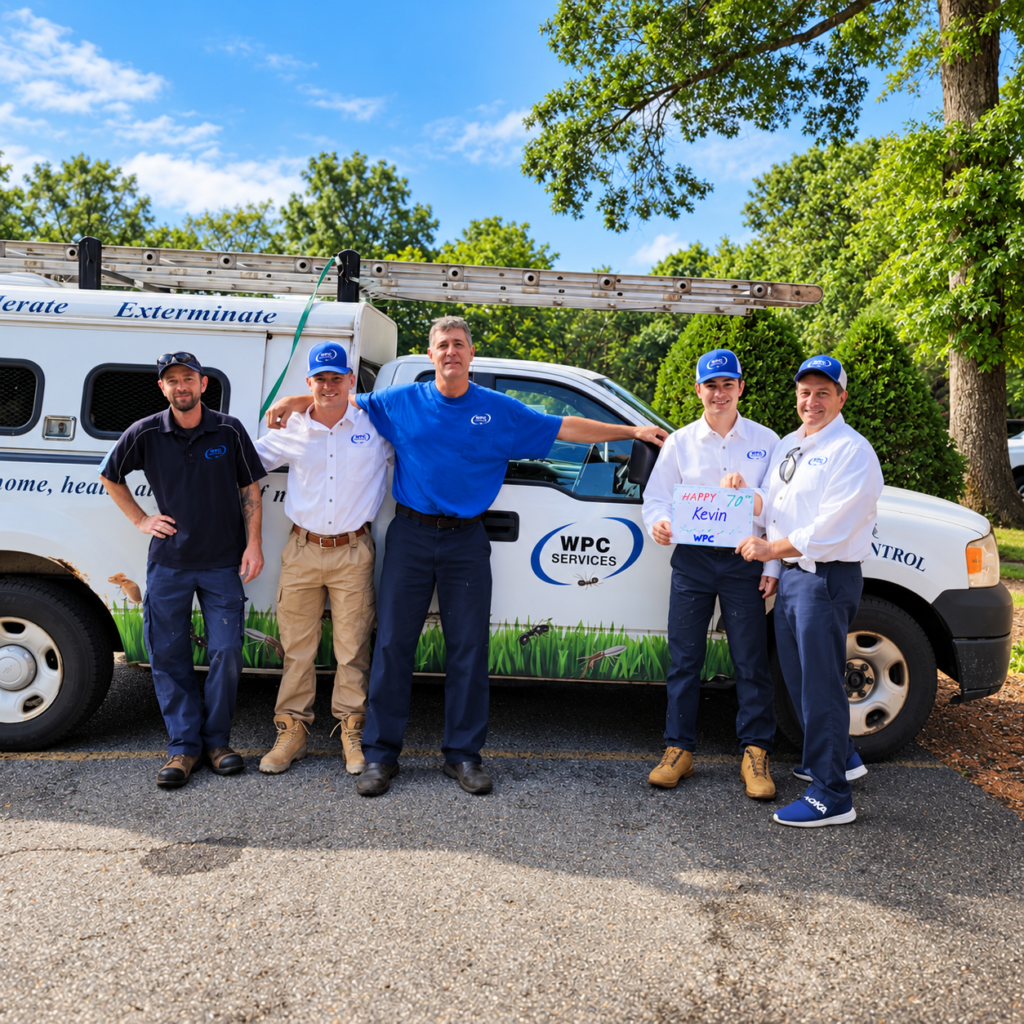
The Technician Compares Current Signs With the First Visit
A useful follow-up starts with the record of what we found originally. Different pests respond at different rates, and some insects have eggs or protected life stages that can remain hidden. Rodents may also change travel routes once an access point is addressed. We need to evaluate what is fresh rather than count every old mark as ongoing activity.
We may review evidence such as:
- New sightings: Dates, numbers, and exact locations help reveal whether activity is improving.
- Fresh droppings: Recent deposits may indicate continuing rodent or cockroach movement.
- Monitoring results: Traps or stations can provide information beyond what residents observe.
- Treatment sites: Previously active cracks, cabinets, or exterior areas may require another check.
- Homeowner notes: Photos and reports between visits help put isolated findings in context.
A damaged food package does not repair itself after rodents leave, and discarded insect skins can remain in a quiet cabinet. That is why we distinguish old evidence from new signs. If the original problem is no longer active, the next step may be continued observation rather than another application.
Our article on professional cockroach harborages illustrates why concealed insects may take longer to assess than visible movement suggests. A quieter room is encouraging, but evidence around the original hiding places provides a better measure of progress.
The Visit Checks Whether Contributing Conditions Changed
Treatment can affect an infestation without automatically correcting the conditions that supported it. A leaking pipe may still provide moisture, while a worn door sweep can continue offering access. These issues may be overlooked once the immediate pest sightings decline.
During reassessment, we may check:
- Door and vent gaps: Previously identified openings are reviewed for completed repairs or renewed movement.
- Plumbing moisture: Leaks and condensation can continue attracting pests around kitchens and bathrooms.
- Food access: Unsealed storage and waste residue may support recurring insect or rodent activity.
- Exterior shelter: Vegetation or clutter near foundations can conceal movement toward the building.
- Earlier hot spots: Areas with known activity receive attention even if they currently look quiet.
An opening does not prove pests are using it, and dampness alone is not proof of infestation. We interpret vulnerabilities alongside species-specific evidence. Some repairs belong with a plumber, contractor, or property maintenance team rather than the pest-control technician.
Our guide to entry gaps during weather changes describes how access, moisture, and shelter can overlap. When a homeowner completes an exclusion or maintenance recommendation, follow-up helps determine whether the activity pattern has changed as expected.
Findings Determine Whether Treatment or Monitoring Comes Next
There is no single follow-up procedure for every pest. An active cockroach problem may justify checking bait consumption or concealed zones. A rodent concern may require monitoring remaining entry routes. Where the evidence shows progress, another treatment may not be needed at that moment.
Our return-visit discussion can include:
- Progress review: We compare fresh evidence with the initial inspection and service record.
- Focused adjustment: New activity may call for different placements or additional targeted work.
- Occupant precautions: We explain any preparation or access restrictions if treatment is recommended.
- Service schedule: Quarterly options can support monitoring according to the property’s risk.
- Written guidance: Homeowners learn what to watch for and when to contact us again.
Our company offers ongoing pest protection with follow-up services, including quarterly visits when they fit the situation. The exact timing depends on the pest, infestation history, exterior conditions, and plan terms. A return visit for one active concern is not necessarily identical to a routine seasonal inspection.
It also helps to know what follow-up cannot guarantee. A technician may not be able to see into sealed walls, and a successful treatment does not prevent every future insect from entering. We document what we could inspect, explain uncertainties, and recommend appropriate next steps without treating every isolated sighting as a failure.
For homeowners, the biggest benefit is continuity. Instead of starting again whenever pests reappear, we can compare conditions with earlier findings. That makes it easier to spot an unresolved source, confirm improvement, and avoid unnecessary treatment where activity has already stopped.
Make the Results of Treatment Easier to Verify
If you have had pest service and are noticing new signs, contact WPC Services to discuss a follow-up visit. We can review the earlier findings, reassess accessible areas, and explain whether monitoring, treatment, or property corrections make sense.