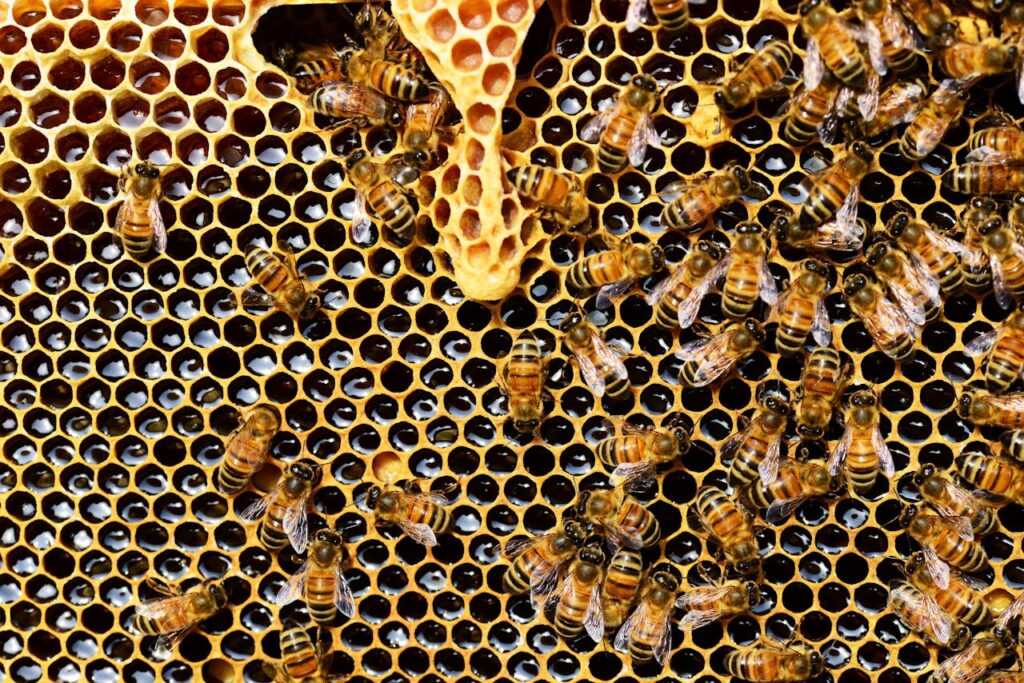
Bee activity often becomes more noticeable during summer because homes offer the same conditions many stinging insects look for: warmth, flowers, water, shelter, and protected nesting spaces. Around MetroWest properties, bees may appear near gardens, decks, rooflines, sheds, wall openings, patios, and landscape beds. A few passing bees may only be foraging, but repeated traffic near one spot can suggest that a nest or colony is close.
Professional pest control helps homeowners understand the difference between normal outdoor activity and a bee problem that needs attention. That distinction matters because bees, wasps, hornets, yellow jackets, mosquitoes, ants, cockroaches, rodents, ticks, and termites can all become more active in warm weather, but each pest requires a different response. A careful inspection identifies what is present, where it is active, and how close the activity is to living areas.
Summer Conditions Bring Bees Closer
Summer increases food and water availability. Flowering plants, vegetable gardens, clover, shrubs, fruit trees, birdbaths, irrigation, and outdoor dining areas can all attract bees. Warm temperatures also allow colonies to grow and foragers to stay active longer.
Areas that may attract bees include:
- Flower beds, blooming shrubs, garden borders, clover, and fruiting plants
- Birdbaths, fountains, hose leaks, pet bowls, and damp soil near irrigation
- Decks, patios, pergolas, sheds, fences, and protected exterior corners
- Roofline gaps, soffits, vents, wall openings, and other sheltered voids
- Trash areas, sugary drink spills, outdoor meals, and food preparation spaces
Not every bee sighting is a problem. The concern grows when activity is concentrated, defensive, or tied to a specific opening. A professional inspection can confirm whether bees are only passing through or using the property as a nesting site.
Bee Problems Are Not Always Easy To Identify
Many homeowners use the word bee for several stinging insects. Bees, wasps, hornets, and yellow jackets can look similar from a distance, especially when they are moving quickly around eaves, shrubs, or seating areas. Identification is important because behavior, nesting habits, and service needs are different.
A nest in a wall void is different from foraging activity in a garden. Yellow jackets may behave more aggressively around food and hidden ground nests. Wasps and hornets may build nests near rooflines, shrubs, or porch ceilings. Bees may gather near cavities, flowering plants, or structural openings. When activity becomes repeated, a guide on bee problem signs explains why expert eyes help before the situation grows more difficult.
Professional identification reduces guesswork and helps protect families, pets, guests, and anyone who may be allergic to stings.
Nests Near Daily Spaces Raise The Risk
Bee activity becomes more concerning when it is close to areas people use often. A nest near a front door, deck, mailbox, garage, play area, pool, or outdoor dining space can create stress even if the insects are not immediately aggressive. Repeated foot traffic may disturb them without anyone realizing it.
Higher-risk locations include:
- Entry doors, porches, walkways, mailboxes, and garage openings
- Patios, decks, outdoor kitchens, seating areas, and play spaces
- Wall voids, soffits, vents, chimneys, and roofline openings
- Shrubs, hedges, garden edges, fences, and low branches near activity areas
- Sheds, storage areas, trash zones, and places where pets or children pass
Professional service helps determine whether the nest can be accessed, whether the insects are defensive, and which controlled approach fits the property. That is safer than disturbing the area without knowing the species or location.
Summer Pest Pressure Often Overlaps
Bee activity may be the most visible concern, but summer can bring several pest pressures at once. Mosquitoes may develop near standing water. Ants may trail toward kitchens and patios. Cockroaches may move near moisture and food. Rodents may use gaps for shelter. Ticks may appear in grass, brush, and wooded edges. Termites can remain hidden while warm weather increases structural concerns.
A summer inspection may review:
- Standing water, shaded vegetation, and mosquito-prone areas
- Foundation gaps, utility openings, rooflines, and pest entry points
- Food sources around kitchens, patios, trash areas, and outdoor gatherings
- Yard edges, brush, and pet areas where ticks may be active
- Termite-risk zones involving moisture, wood contact, and hidden structural access
This wider view is useful because one condition can support more than one pest. Moisture may attract mosquitoes, ants, and cockroaches. Openings may invite rodents or stinging insects. A resource on summer pest pressure shows why warm-season activity should be evaluated as part of the whole property, not only one visible nest.
Professional pest control gives homeowners a clearer answer. The inspection can identify the insect, locate nesting pressure, evaluate risk areas, and recommend prevention steps that fit the home. That approach protects outdoor comfort while reducing the chance that a summer bee concern becomes a repeated seasonal problem.
Keep Summer Activity From Becoming A Nesting Concern
Bee activity around a home deserves attention when it becomes frequent, concentrated, or too close to daily living areas. For careful stinging insect service, bee and wasp support, mosquito control, ant control, cockroach control, rodent control, tick control, termite service, and long-term pest guidance, contact WPC Services.