
Ticks thrive in outdoor environments that provide moisture, shade, cover, and access to animal hosts. While many homeowners focus only on treating visible tick activity, the surrounding landscape often plays a major role in determining whether infestations continue returning. Vegetation management helps reduce the conditions ticks depend on for survival, making it an important part of long-term tick prevention around residential and commercial properties.
Tick populations often increase in areas with overgrown grass, dense shrubs, leaf accumulation, unmanaged property edges, and wildlife movement. Properties already dealing with fleas, mosquitoes, ants, spiders, rodents, stinging insects, or other nuisance pests may also have environmental conditions supporting broader outdoor pest activity. Addressing vegetation properly helps reduce multiple pest pressures at the same time.
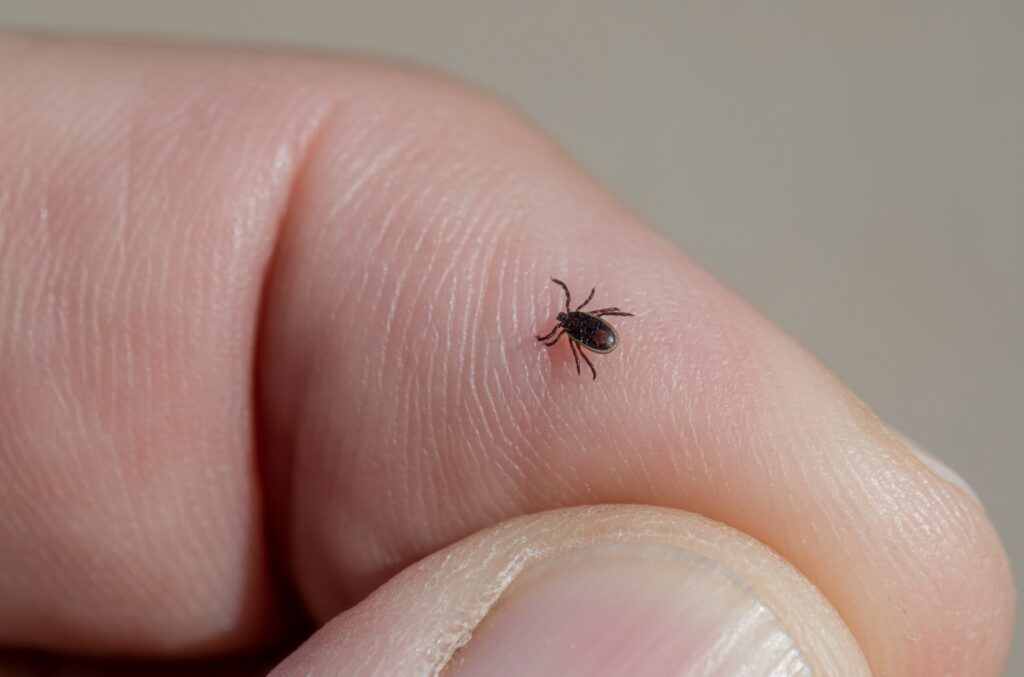
Why Overgrown Vegetation Supports Tick Activity
Ticks depend heavily on humid and protected environments because they lose moisture easily in direct heat and dry conditions. Tall grass, thick landscaping, and shaded debris create the type of protected habitat ticks need to survive and wait for passing hosts.
- Dense vegetation retains moisture near ground level
- Overgrown grass provides shaded movement corridors
- Leaf piles create cool harborage areas for ticks
- Untouched property edges attract wildlife movement
- Low branches may increase shaded resting zones
Ticks often position themselves on grass blades, brush, or low vegetation while waiting for animals or people to pass nearby. Once attached to a host, they may travel deeper into the property or closer to the home itself.
Professional vegetation management focuses on reducing these favorable conditions without damaging the balance of the landscape. This creates a less hospitable environment for ticks while improving visibility and airflow throughout the yard.
Wildlife Movement Often Increases Tick Pressure
Ticks rely on hosts for survival, which means wildlife activity frequently contributes to recurring infestations. Deer, rodents, raccoons, stray animals, and other wildlife can transport ticks throughout a property without homeowners realizing it immediately.
Vegetation that creates shelter or travel corridors for wildlife often increases the likelihood of ticks spreading closer to homes, patios, play areas, and pet spaces. Thick brush lines, unmanaged fence rows, and dense perimeter vegetation may all encourage repeated movement across the property.
- Tall vegetation near fences may attract wildlife traffic
- Dense shrubs can create protected nesting conditions
- Overgrown property lines often support hidden animal movement
- Unmanaged outdoor clutter increases sheltered harborage
- Moist ground cover supports tick survival longer
Reducing wildlife access becomes an important part of long-term tick prevention because tick populations may continue returning if hosts move freely throughout the property. Some homeowners also evaluate yard barrier methods to help reduce wildlife movement near outdoor living spaces.
Professional evaluations often identify overlooked vegetation patterns contributing to recurring tick pressure. This broader perspective supports more reliable long-term results instead of reacting only after ticks become noticeable.
Strategic Landscaping Improves Tick Prevention
Tick prevention does not require removing all greenery from a property. Instead, the goal is to manage vegetation in ways that reduce excessive moisture retention and protect harborage zones where ticks thrive.
- Trimming shrubs improves sunlight and airflow
- Maintaining shorter grass reduces shaded tick habitat
- Removing leaf buildup lowers moisture retention
- Separating wooded edges from lawns limits migration zones
- Keeping walkways clear improves visibility and accessibility
Professional vegetation planning also helps protect outdoor areas frequently used by pets, children, or guests. Patios, play areas, pathways, and seating zones benefit from stronger airflow and reduced overgrowth because ticks are less likely to remain active in hot, exposed conditions.
Landscaping choices may also affect how easily pest professionals can inspect and monitor the property over time. Thick vegetation can hide developing infestations involving ticks, mosquitoes, rodents, fleas, or stinging insects long before activity becomes obvious.
This is one reason ongoing pest planning matters even when tick activity seems limited initially. Delaying preventative measures may allow outdoor pest populations to spread further across the property later. Homeowners evaluating broader outdoor management strategies may benefit from reviewing these long-term pest risks involving unmanaged pest pressure around homes.
Long-Term Tick Prevention Requires Consistency
Ticks often return when environmental conditions remain favorable season after season. One-time cleanup efforts may temporarily reduce activity, but consistent vegetation management usually provides stronger long-term results. Growth patterns, weather changes, wildlife movement, and moisture conditions continue evolving throughout the year.
- Seasonal growth can recreate shaded tick habitat quickly
- Rainfall increases moisture retention in unmanaged areas
- Wildlife patterns may shift throughout different seasons
- Leaf accumulation creates new harborage conditions
- Property edges often require ongoing monitoring
Professional tick prevention programs help monitor these changing conditions while identifying areas needing continued attention over time. Consistent evaluations allow adjustments before outdoor pest pressure becomes more difficult to control.
Long-term management also improves overall outdoor usability. Cleaner vegetation lines, healthier airflow, and reduced harborage areas help create a more comfortable environment for pets, families, and visitors throughout the property.
Because tick activity often overlaps with other outdoor pests, professional support can help homeowners understand how different environmental conditions influence broader infestations around the home.
Create A Safer Outdoor Environment Year-Round
Vegetation management plays an important role in tick prevention because ticks depend on moisture, shelter, and wildlife movement to survive around residential properties. Long-term prevention focuses on reducing those favorable conditions through strategic landscaping, property monitoring, and consistent outdoor maintenance. Professional guidance also helps identify hidden harborage areas contributing to recurring tick activity before infestations spread further. For professional tick prevention and outdoor pest management support, contact WPC Services.