
Carpenter ants may not eat wood like termites, but their nesting habits can still compromise your home’s structure. These ants tunnel through damp or decaying wood to establish colonies, often choosing quiet corners of a home where moisture and shelter meet. Unlike nuisance ants that come for crumbs, carpenter ants are after something far more foundational: the integrity of your property.
Understanding what brings them in and how to send them packing can save homeowners from costly repairs. Let’s break down the common attractants, warning signs, and proactive steps you can take to prevent an infestation.
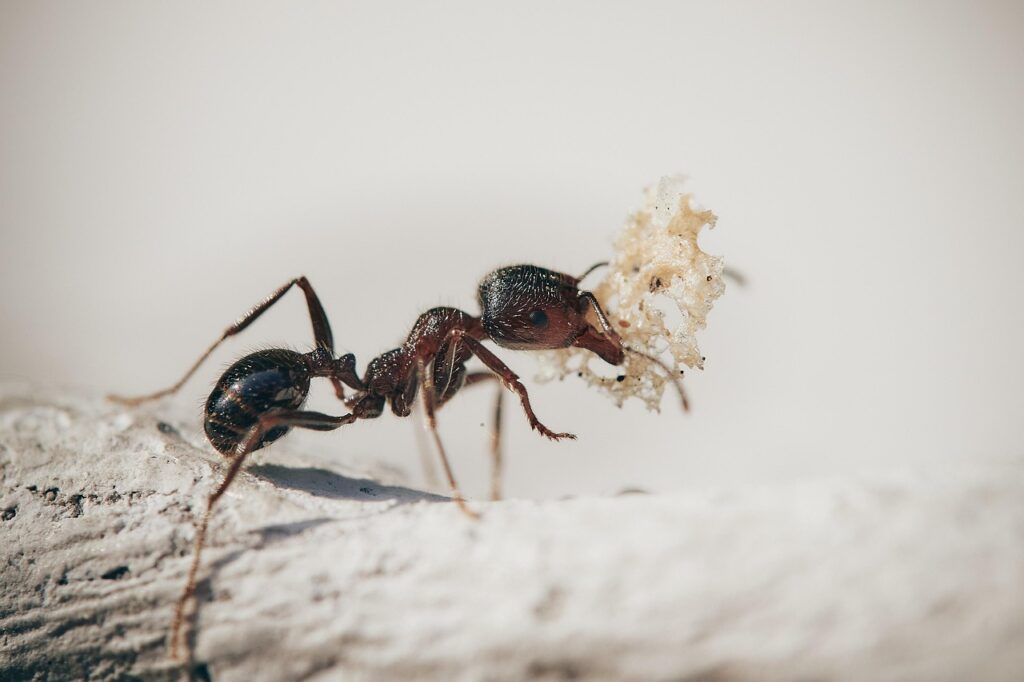
Why Carpenter Ants Choose Your Home
Carpenter ants are drawn to specific environmental conditions that support their colony’s growth. If your home provides any of the following, you may be unknowingly rolling out the welcome mat:
- Moist or decaying wood: Leaky roofs, poorly sealed windows, and damp basements are ideal nesting grounds.
- Tree branches touching the structure: These act as highways from nearby trees directly into the attic or siding.
- Cracks or gaps in the exterior: Carpenter ants exploit small entry points to access internal wall voids or crawl spaces.
- Accessible food and water sources: While wood is their nest material, they still feed on proteins and sugars from kitchens and trash bins.
Even well-maintained homes can harbor attractive conditions without realizing it. A quick walk around your property may reveal moisture-prone areas or untrimmed vegetation that could be inviting ants inside.
Common Signs You May Have a Problem
Spotting carpenter ants early is crucial. The longer they’re allowed to build, the more damage they can cause to walls, beams, or other wooden supports.
Look for these signs:
- Large, black ants indoors: If you see ants measuring up to half an inch, especially at night, they may be foragers from a nearby colony.
- Rustling inside walls: At peak activity, ants may produce faint clicking or rustling sounds from inside hollow wood or drywall.
- Frass (wood shavings): Unlike termites, carpenter ants push their debris out of tunnels, often found beneath window sills or baseboards.
- Winged ants near windows: Swarmers are reproductive ants and suggest a mature, established nest either in or very close to the structure.
Homeowners are often unaware until structural damage has already begun. This article on carpenter ant damage explains how these pests undermine wooden structures and how to spot destruction early.
Outdoor Risk Factors You Can’t Ignore
It’s not just the inside of your home that needs attention. Several exterior features around the yard can unknowingly support carpenter ant colonies and create future problems.
- Firewood stacked against siding: Ants love moist, undisturbed piles. Always store firewood off the ground and away from your home.
- Rotting stumps or tree limbs: Deadwood around the property becomes a natural nesting site.
- Clogged gutters and poor drainage: Consistent moisture buildup along walls or rooflines invites both decay and ant colonies.
- Mulch too close to the foundation: Mulch traps moisture, creating a perfect zone for ants to establish satellite nests.
Keeping outdoor areas dry, trimmed, and well-maintained helps reduce the number of ants migrating toward your home. It’s a year-round effort, as explained in this helpful seasonal pest guide that outlines pest behavior changes with weather patterns.
How to Deter Carpenter Ants Before They Nest
Preventing carpenter ant infestations requires a combination of routine maintenance and pest-aware habits. Here are essential steps every homeowner can take:
- Seal cracks and entry points: Use caulk to seal gaps around windows, doors, siding, and utility lines.
- Repair water leaks: Fix plumbing issues and faulty gutters to eliminate moisture buildup in walls or crawl spaces.
- Trim vegetation regularly: Ensure trees and shrubs do not touch your home’s exterior.
- Clean up food sources: Store pantry items in airtight containers and wipe down counters frequently.
- Reduce wood-to-soil contact: Use treated lumber for decking or fencing, and avoid placing untreated wood directly on soil.
While these actions go a long way, they cannot always guarantee full prevention. Carpenter ants are persistent and resourceful, especially in areas with frequent rain or high humidity. If you suspect even minor signs of activity, professional inspection is highly recommended.
Why DIY Doesn’t Always Work
Homeowners often try over-the-counter bait stations or sprays without realizing that these only affect visible foragers, not the hidden nest. Carpenter ant colonies may have multiple satellite nests, each requiring different treatment approaches. Missing even one node of the colony means the infestation will continue unnoticed.
Additionally, improper pesticide use can cause ants to scatter and form new colonies elsewhere in the home. A professional approach not only locates the full extent of the problem but also applies safe and effective solutions that reach deep into nesting zones.
Don’t Wait for the Damage
A single carpenter ant sighting may seem harmless, but it could signal something much deeper beneath the surface. Take steps now to protect your home’s structure and stability. For expert inspection and long-term solutions, contact WPC Services today.