
Keeping ants from establishing colonies in your yard is a proactive step toward safeguarding both your outdoor and indoor spaces. Once settled, ants can quickly multiply, creating complex nests that are difficult to eliminate without professional intervention. Some species, such as carpenter ants, can cause structural damage if they gain access to your home, while others may invade kitchens and pantries in search of food.
Yard maintenance is one of the most effective ways to make your property less appealing to ants. By addressing the factors that attract them, such as food sources, moisture, and shelter, you reduce the risk of infestations before they start. This approach also supports a healthier lawn and garden environment.Understanding their nesting habits and seasonal activity patterns is essential to targeting the conditions they seek. For more insight, review the lifecycle and habits of ants to better anticipate when and where they are most active.
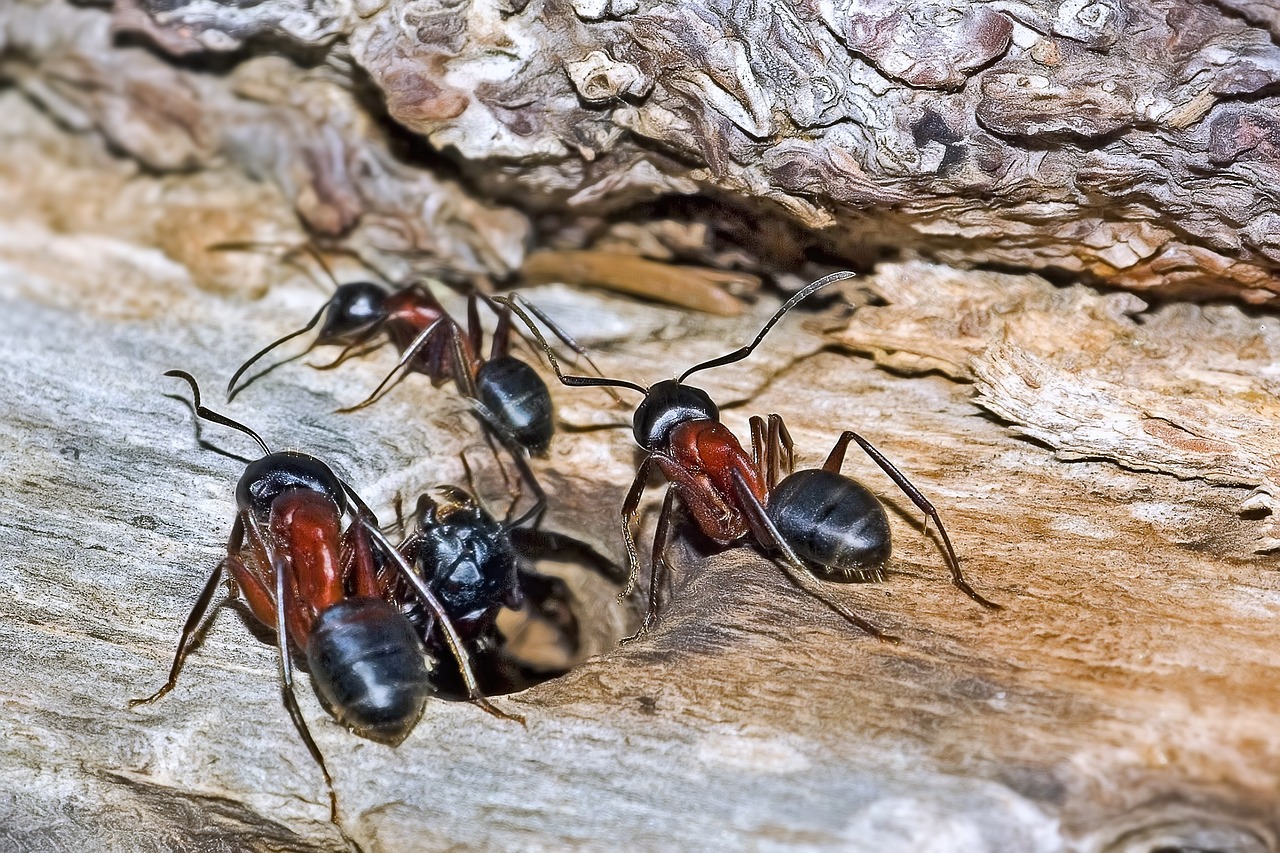
Remove Food and Water Sources
Ants are drawn to areas where food and water are readily available, and eliminating these attractants is a key first step in prevention. If ants find consistent access to sustenance, they are more likely to establish nearby colonies and send foragers into your home.
- Secure trash bins: Ensure outdoor garbage cans have tight-fitting lids, are cleaned regularly, and are placed away from entry points. Even small spills around the bin can attract workers.
- Remove fallen fruit: Pick up produce from fruit trees promptly, as fermenting fruit is a major food source for many ant species.
- Fix leaks and puddles: Address irrigation issues, dripping hoses, or drainage problems that create standing water where ants can hydrate and thrive.
In addition to these steps, remember that food waste from outdoor cooking areas and compost piles can be just as attractive. Keeping these spaces clean and dry not only discourages ants but also improves the overall hygiene of your yard.
Maintain Landscaping to Reduce Nesting Sites
Overgrown vegetation, dense ground cover, and piles of organic debris provide ideal nesting spots for ants. Proper landscaping makes your property less appealing as a settlement area for colonies.
- Trim shrubs and branches: Keep plants from touching the house to prevent ants from using them as bridges to access siding, windows, or roofs.
- Clear mulch buildup: Maintain mulch at a depth that deters nesting, especially near the foundation, where colonies can go unnoticed.
- Remove yard debris: Discard piles of wood, leaves, or grass clippings promptly, as these provide shelter and maintain moisture levels that ants prefer.
Carpenter ants, in particular, are known to establish colonies in damp or decaying wood. By addressing wood rot, replacing damaged boards, and following the guidance in protecting your home from carpenter ant damage, you can significantly reduce their presence around your property.
Improve Soil and Drainage Conditions
Poorly drained soil can be a magnet for ants, especially those species that prefer moist environments for nesting. Taking steps to improve drainage not only deters ants but also benefits plant health and root stability.
- Aerate compacted soil: Breaking up compacted soil improves water absorption, reduces pooling, and makes the environment less favorable for nesting.
- Redirect downspouts: Ensure that downspouts and gutter systems move water away from the home’s foundation and landscaping beds.
- Install gravel borders: Creating dry buffer zones around patios, decks, and entryways discourages ants from nesting too close to high-traffic areas.
Over time, even small drainage issues can create persistent damp spots that become prime real estate for colonies. Consistent yard grading and seasonal checks for soil saturation help keep these areas dry and less attractive to ants.
Monitor and Seal Structural Entry Points
While yard maintenance addresses colonies outside, it’s equally important to keep ants from finding their way indoors. Foraging workers can travel significant distances from the nest in search of food and water.
- Inspect regularly: Examine foundations, siding seams, and utility line entries for any gaps or damage. Small cracks can be exploited as entryways.
- Seal gaps: Use weather-resistant caulks or sealants to close spaces around doors, windows, and pipes.
- Install door sweeps: Prevent ants from walking straight into your home through ground-level entryways, especially in kitchens or laundry rooms.
A layered approach, clean, well-maintained yards combined with a sealed home exterior, creates an effective barrier. It’s far easier to keep ants out than to eliminate them once they are inside and established.
Schedule Routine Professional Inspections
Even the most meticulous homeowner can miss early signs of ant activity, especially in areas that are difficult to access. Regular inspections by trained professionals are essential for early detection and targeted treatment.
Professionals can identify the specific species present, which is crucial since different ants require different control methods. They can also provide recommendations tailored to your property’s unique layout and conditions, from adjusting irrigation patterns to applying preventive treatments in vulnerable areas.
Combining expert input with ongoing yard maintenance creates a comprehensive defense strategy. This partnership helps keep colonies from becoming established, protecting both your yard and home from costly damage.
Keep Your Yard Ant-Free Year-Round
Protecting your property from ants starts with consistent yard care and expert oversight. Contact WPC Services today to create a prevention plan that keeps your outdoor spaces healthy and your home secure.