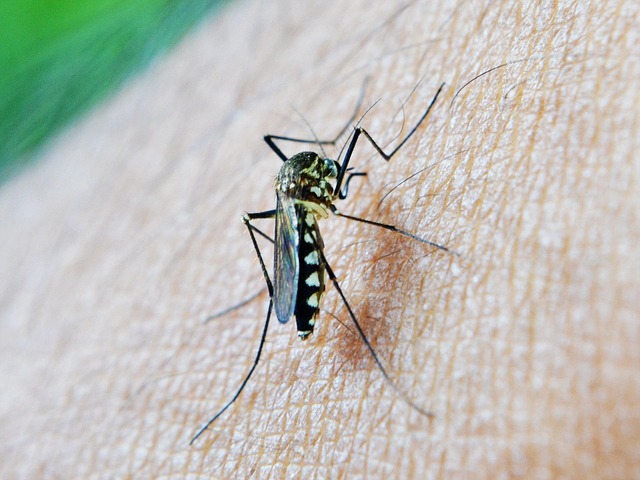
Mosquitoes are more than just seasonal nuisances; they pose a real threat to health, comfort, and outdoor enjoyment. In the Metro-West region, a mix of suburban neighborhoods, commercial districts, and natural wetlands creates unique conditions that support mosquito populations. Because these pests thrive in small amounts of stagnant water, identifying and managing breeding sites is crucial for effective mosquito control.
Understanding where mosquitoes breed helps homeowners and business managers take preventive action before populations get out of hand. By recognizing the common environments in this area, you can make informed decisions that reduce risks while supporting a healthier community.
Residential Breeding Grounds Around Homes
Neighborhoods in Metro-West provide ideal habitats for mosquitoes. These pests are opportunistic and can find suitable breeding spots in the smallest overlooked areas.
Common residential breeding sites include:
- Clogged gutters: Trapped leaves and debris create pockets of standing water.
- Uncovered containers: Buckets, watering cans, and toys left outside often collect rainwater.
- Bird baths: Without regular cleaning, they quickly turn into mosquito nurseries.
- Kiddie pools: When left unattended, they provide weeks of breeding opportunities.
- Plant saucers: Excess water under potted plants is an overlooked source.
Even a bottle cap filled with water can sustain mosquito larvae. Addressing these areas consistently prevents local populations from exploding. To supplement household efforts, professional treatments such as fogging versus misting can provide broader protection across properties.
Commercial and Public Spaces
Mosquitoes are not limited to backyards. Commercial properties and public areas also present a variety of breeding opportunities that often go unnoticed. Large-scale sites tend to attract more activity because they offer both water and shelter.
High-risk commercial and public sites include:
- Parking lots with drainage issues: Puddles form after storms and persist for days.
- Construction sites: Equipment, tarps, and containers easily trap rainwater.
- Outdoor seating areas: Restaurants with water features or planters often see increased mosquito activity.
- Playgrounds: Hollow equipment or shaded spots may collect moisture.
- Community gardens: Overwatering and unused pots become hotspots for larvae.
When these spaces are not properly managed, the surrounding neighborhoods also suffer. Since these areas serve large groups of people, controlling mosquito populations here is essential to public health.
Natural Water Sources and Landscapes
The Metro-West environment includes ponds, wetlands, and rivers that play a key role in supporting mosquito life cycles. While these water sources are important for ecosystems, they also serve as natural breeding sites if not carefully managed.
Key natural habitats include:
- Wetlands and marshes: Stagnant pools and shallow water sustain large numbers of larvae.
- Ponds with poor circulation: Without movement, they become ideal nurseries.
- Streams with slow flow: Reduced water speed allows mosquitoes to thrive.
- Drainage ditches: Often overlooked, they collect runoff and provide stagnant conditions.
- Shaded wooded areas: Damp soil holds moisture that supports breeding.
Because these natural sites are harder to control, surrounding properties are often affected. Preventive strategies, such as vegetation management and water circulation, are vital in these environments. For homeowners with water features, understanding yard prevention strategies can reduce risks significantly.
Seasonal Influences on Breeding Patterns
Metro-West residents know that mosquitoes are especially problematic during warmer months, but few realize how seasonal changes affect breeding cycles. Climate patterns directly influence mosquito populations, and being aware of these patterns helps property owners prepare.
Seasonal influences include:
- Spring rains: Heavy rainfall fills gutters, containers, and ditches.
- Summer heat: Warm temperatures accelerate mosquito life cycles, creating rapid population growth.
- Late summer storms: Standing water from storms replenishes breeding sites.
- Early fall moisture: Mild temperatures extend breeding activity longer than expected.
- Winter thaw: Even melting snow can contribute to standing water in early spring.
Anticipating these patterns allows homeowners and businesses to take preventive measures in advance rather than reacting once populations peak.
Effective Long-Term Mosquito Management
While reducing visible breeding sites helps, long-term success requires consistent strategies. Effective mosquito control in Metro-West is about combining property maintenance with expert intervention.
Best practices for long-term management include:
- Routine inspections: Walk around your property after rain to identify standing water.
- Regular maintenance: Clean gutters, change bird bath water, and empty containers.
- Landscaping adjustments: Trim overgrown vegetation and improve drainage.
- Water management: Circulate ponds with pumps or fountains to prevent stagnation.
- Professional services: Experts can apply targeted treatments for sustained protection.
Because mosquitoes reproduce quickly, relying solely on personal maintenance may not provide complete relief. Professional services integrate treatments with property-specific advice, ensuring mosquito populations stay under control across all environments.
Take Control of Mosquito Risks
Mosquitoes are more than a summertime annoyance; they thrive in Metro-West environments where residential, commercial, and natural sites create ample breeding grounds. By taking preventive measures and partnering with experts, property owners can limit risks and protect both health and comfort. For comprehensive solutions tailored to your property, reach out to WPC Services today and keep mosquito populations in check.