
Termites are among the few pests that remain active even when temperatures drop. Many homeowners assume these wood-destroying insects go dormant during the winter, but in reality, termites simply adapt. While the chill drives many insects into hiding, termites move deeper into soil or into the warmer parts of homes where they can feed undisturbed.
Understanding how termite activity continues in the colder months is crucial for preventing hidden damage. During winter, termites seek consistent warmth, food, and moisture, all of which can be found inside basements, crawl spaces, or behind walls. Because of this shift, infestations often go unnoticed until spring, when visible structural damage appears. Detecting termite signs early, even during cold weather, helps protect your property and prevents costly repairs.
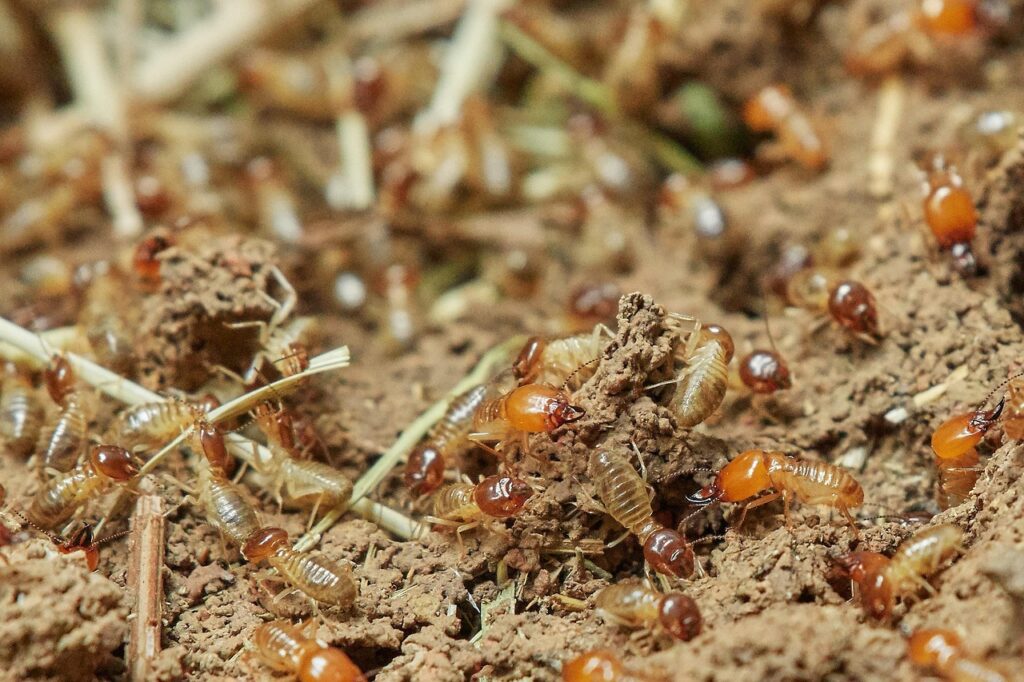
Why Termite Activity Persists in Winter
Cold weather may slow down some pests, but termites remain resilient. When temperatures outside dip too low for survival, colonies move deeper underground or into insulated areas inside buildings. This adaptation makes them harder to detect without professional inspection.
Termites stay active because of three main environmental factors that exist year-round inside most homes: warmth, wood, and moisture. They find these conditions especially appealing during the colder months.
Typical behaviors observed in winter include:
- Migration indoors to heated environments such as basements, attics, and wall interiors.
- Reduced movement but steady feeding as termites consume wooden structures to maintain colony nutrition.
- Preference for moist spaces like areas near leaking pipes, sump pumps, or condensation lines.
- Expansion of hidden galleries that allow termites to move between interior and exterior areas undetected.
This combination of steady feeding and hidden movement often leads homeowners to believe that termite infestations are a “summer-only” concern. However, winter inspections are just as critical. As explained in pre-winter pest myths, colder months can actually heighten indoor pest risks due to limited outdoor shelter.
Key Termite Signs to Watch For Indoors
Spotting termite signs early requires attention to detail. During winter, the indicators are often subtle but noticeable with the right approach. Look for:
- Mud tubes along foundations, pipes, and wall seams. These pencil-sized tunnels protect termites as they travel between nests and food sources.
- Hollow wood that sounds papery or thin when tapped. This is one of the earliest signs of termite feeding inside furniture or beams.
- Discarded wings near doors or windows. Swarming termites shed their wings after finding a place to start a new colony indoors.
- Frass or droppings resembling sawdust around wooden trim or baseboards. Drywood termites leave this evidence after burrowing.
- Peeling paint or warped floors that resemble moisture damage but often stem from internal wood destruction.
If you notice more than one of these clues, there’s a strong chance termites are active within your walls. Immediate assessment prevents long-term harm that could spread to multiple rooms or structural supports.
How Winter Conditions Complicate Detection
Termite detection in cold months presents unique challenges. Because termites often relocate to hidden, insulated areas, regular surface checks may not reveal much. Heating systems, moisture patterns, and insulation materials can all mask or confuse signs of activity.
To improve detection accuracy:
- Inspect foundation areas near furnaces, hot water lines, and plumbing access points. Warmth attracts termites in search of steady temperatures.
- Check for condensation on basement walls or near sump pumps, as these moist zones encourage termite tunneling.
- Watch for unusual noises, such as faint clicking inside walls. Soldier termites communicate through tapping when colonies are disturbed.
- Review structural wood in attics or crawl spaces for new blistering or sagging areas.
These hidden factors make professional inspections extremely valuable. Certified technicians use tools like moisture meters and infrared cameras that can locate activity behind walls or under flooring.
Long-Term Consequences of Ignoring Termite Activity
Ignoring termite signs during the colder months allows colonies to grow unnoticed. Over time, termites can eat through load-bearing wood, flooring supports, and even insulation layers. When temperatures rise again, damage spreads faster as colonies expand.
The cost of delay often goes beyond repairs. Termite infestations can:
- Compromise wall studs, subfloors, and wooden beams.
- Reduce insulation effectiveness, increasing heating costs.
- Lower property value and cause inspection failures during resale.
- Lead to expensive structural reconstruction or floor replacements.
- Affect health and safety by weakening stairways, decks, or ceilings.
The financial and structural impact of postponing treatment can be severe. That is why many pest experts recommend yearly evaluations to detect even minor termite presence before it worsens. For homeowners unsure about long-term effects, our article on untreated pest impact provides insight into how neglected infestations can drastically reduce a home’s worth.
Why Professional Inspection Matters Most in Winter
DIY termite checks may seem practical, but they rarely uncover deep infestations. Professionals understand termite biology and seasonal movement patterns, allowing them to locate colonies that remain hidden to the untrained eye.
Professional inspections typically include:
- A full assessment of basements, attics, crawl spaces, and wood framing.
- The use of moisture detectors and infrared scanners for non-invasive detection.
- Detailed mapping of entry points, mud tube routes, and areas of high risk.
- Customized treatment strategies suited to winter conditions to eliminate existing colonies and prevent re-entry.
- Preventive recommendations on sealing, ventilation, and moisture control.
Unlike summer spot treatments, winter inspections allow specialists to monitor colony behavior while termites are less mobile, improving treatment accuracy. Additionally, professional follow-ups ensure long-term protection through scheduled rechecks and barrier maintenance.
Secure Your Home Before Damage Spreads
Cold weather does not stop termites; it simply changes where they operate. By recognizing early termite signs, addressing moisture issues, and scheduling professional inspections, homeowners can protect their property all year. Early action saves time, money, and peace of mind before infestations spread unnoticed.For expert inspection and tailored protection plans, contact WPC Services today and ensure your home is protected through every season.