
As temperatures begin to drop, pests that normally thrive outdoors start seeking warm, sheltered spaces where they can survive the colder months. This seasonal movement often brings a variety of winter pest issues into homes, ranging from rodents trying to nest in attics to insects looking for insulated hiding spots. Preparing your home before winter arrives is one of the most effective ways to protect your property, reduce pest activity, and avoid disruptions caused by unexpected infestations.
Many homeowners assume pests disappear entirely in the cold, when in reality they shift their behaviors. Some pests slow down, but many simply relocate to areas where food, moisture, and warmth are more accessible. A proactive approach ensures your home remains protected long before winter pests find their way inside.
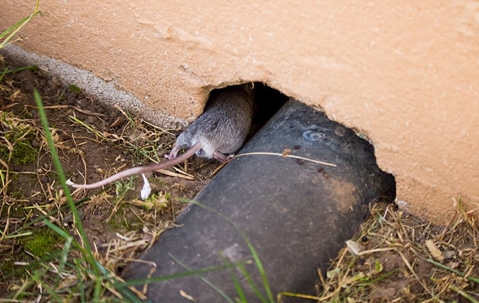
Why Winter Pests Become More Active Indoors
Winter pests move indoors primarily for survival. As outdoor temperatures drop, food sources become limited, and natural shelter becomes less reliable. Homes provide everything pests need in order to stay active, which is why homeowners often notice increased activity during winter months.
The most common reasons pests invade homes in winter include:
- Reduced outdoor food availability that drives pests indoors
- Warm indoor temperatures that support survival and reproduction
- Structural gaps that become easier entry points during cold weather
- Hidden spaces inside walls, attics, and basements that provide ideal shelter
Certain misunderstandings about winter pest behavior lead homeowners to underestimate the importance of early preparation. Our article on winter pest myths may help clarify why winter pest activity does not disappear simply because temperatures fall.
Understanding these driving factors helps homeowners anticipate potential vulnerabilities before pests settle inside.
Key Areas of the Home That Attract Winter Pests
To prepare effectively for winter pest intrusions, it is important to identify areas where pests are most likely to enter or settle. Winter pests such as mice, roaches, ants, and spiders often move toward areas that provide warmth, moisture, and shelter, creating hidden pockets of activity that go unnoticed until the infestation grows.
The most vulnerable areas include:
- Attics and wall voids that offer quiet nesting spaces
- Basements and crawlspaces where humidity attracts insects
- Kitchens and pantries that provide access to food sources
Entry points often develop slowly through normal home settling or wear. Gaps near utility lines, foundation cracks, roof intersections, or loose vents can all give winter pests a way inside. Checking these areas early and sealing vulnerabilities strengthens your home’s defenses before cold weather increases pest pressure.
How Moisture and Warmth Create Ideal Winter Pest Conditions
Moisture is one of the strongest attractants for winter pests. Even small leaks under sinks or around foundations can create humid environments that encourage insect activity. Warmth plays a major role as well, especially around appliances, heating systems, and insulated spaces.
Winter pests thrive in conditions created by:
- Leaking pipes or condensation around plumbing fixtures
- Poor ventilation in basements or laundry rooms
- Accumulated debris near heating units
- Warm spots behind refrigerators, ovens, or water heaters
When moisture and warmth combine, pests find not only survival conditions but also places to reproduce. Many winter pests lay eggs in protected areas where heat remains stable, allowing infestations to grow quietly.
Homeowners should address moisture concerns as early as possible to reduce the likelihood of pests becoming established during winter.
Why DIY Winter Pest Prevention Often Falls Short
Many homeowners attempt DIY pest control solutions during winter, assuming that simple traps, sprays, or repellents will be enough to prevent activity. However, winter pest behavior is different and more persistent due to the survival pressures pests face when temperatures drop. DIY methods rarely address the root causes that allow pests to enter and remain indoors.
Common limitations of DIY efforts include:
- Surface-level treatments that do not reach hidden nesting areas
- Products that provide short-term relief but fail to prevent re-entry
- Incomplete sealing that still allows winter pests access
- Misdiagnosis of the specific pests causing the issue
Winter pests often enter through structural gaps that homeowners do not notice. Effective protection requires identifying these openings and understanding how pests use them. Many DIY treatments miss deeper issues related to moisture, insulation, or structural vulnerabilities. Limitations similar to those described in our article on winter DIY limits show why surface-level approaches often fail during the cold season.
Professionals use more extensive inspection tools, sealing techniques, and long-term prevention strategies that offer lasting protection.
Long-Term Prevention Strategies That Strengthen Home Protection
Winter pest preparation focuses on eliminating the conditions that attract pests and sealing any pathways that offer easy access. Taking these steps before cold weather becomes consistent helps prevent winter pests from settling inside and causing damage that becomes harder and more expensive to address later.
Effective long-term prevention includes:
- Sealing cracks, gaps, and openings around windows, doors, and utility lines
- Repairing moisture issues such as leaks, poor drainage, or condensation buildup
- Reducing clutter in storage areas where pests like to nest
- Keeping food stored tightly and cleaning kitchen surfaces regularly
These habits build a strong foundation for winter protection. Winter pests rely heavily on accessible shelter, so removing nesting opportunities and sealing access points significantly reduces their ability to enter. Addressing moisture also eliminates one of the most powerful attractants.
Professional inspection strengthens these efforts by identifying vulnerabilities that are not visible during routine home maintenance. Winter pests often hide deep within structural spaces where specialized tools are required to detect activity.
Stronger Protection Before the Temperatures Drop
For detailed inspections, long-term prevention strategies, and expert support before winter pests move in, reach out to WPC Services for reliable seasonal protection.