
Spring brings longer evenings, warmer air, and renewed interest in outdoor dining. Patios, rooftop bars, and sidewalk seating areas quickly become central to the guest experience. However, rising temperatures and increased moisture also create ideal conditions for mosquitoes. Without a structured mosquito control strategy, outdoor dining areas can become uncomfortable for guests and challenging for staff.
From our professional perspective, effective mosquito control is not limited to visible spraying. It requires an understanding of mosquito breeding behavior, environmental factors, and seasonal population cycles. Restaurants and hospitality venues that take a proactive approach early in the season are better positioned to maintain consistent comfort and protect their reputation.
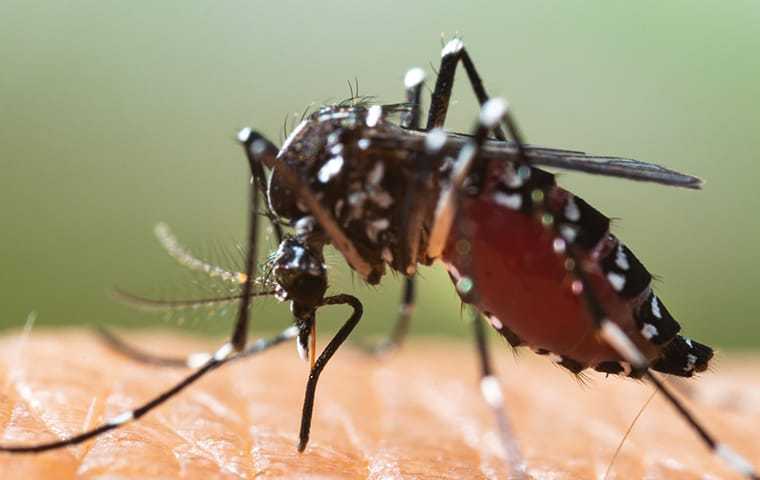
Why Mosquitoes Target Outdoor Dining Spaces
Mosquitoes thrive in environments that provide moisture, shade, and access to human hosts. Outdoor dining areas naturally offer all three. Decorative landscaping, irrigation systems, and evening lighting can unintentionally attract and sustain mosquito populations.
Key factors that increase mosquito pressure include:
- Standing water in planters, drains, or decorative features
- Dense shrubbery and shaded seating zones
- Overwatered landscaping and clogged gutters
- Poor airflow in enclosed patio spaces
- Nearby storm drains or untreated green areas
Even small amounts of stagnant water can serve as breeding grounds. Mosquitoes lay eggs in shallow water that may go unnoticed, such as saucers beneath pots or low spots in pavement.
Understanding these environmental triggers allows for targeted mosquito control measures. It also reinforces why periodic inspections and site evaluations are essential during the spring months when populations begin to surge.
The Role of Environmental Management
Effective mosquito control begins with environmental assessment. Removing or modifying conducive conditions reduces breeding opportunities before adult populations expand.
Important environmental considerations include:
- Routine inspection of drainage systems
- Adjustment of irrigation schedules to prevent pooling
- Pruning vegetation to increase airflow
- Managing organic debris that retains moisture
- Monitoring decorative water features
Yard and landscape maintenance plays a significant role in pest prevention. Outdoor dining establishments benefit from consistent property upkeep that minimizes hidden breeding areas. This resource on yard cleanup strategies highlights how routine maintenance supports broader pest management goals.
While environmental adjustments are critical, they are most effective when paired with targeted treatment strategies that address existing mosquito populations.
Targeted Treatment Strategies for Outdoor Areas
Once breeding sites are identified and reduced, professional mosquito control programs focus on reducing adult mosquito activity in high-traffic areas. Outdoor dining spaces require treatments that balance effectiveness with guest comfort.
Professional approaches often include:
- Perimeter treatments around seating zones
- Application to shaded resting areas where mosquitoes congregate
- Treatment of vegetation near patios
- Monitoring population levels throughout the season
- Scheduled service intervals aligned with mosquito life cycles
Mosquitoes tend to rest in cool, shaded foliage during the day and emerge during evening hours. Treating these resting areas disrupts their activity before peak dining times. Moisture control is equally important. Areas that remain damp for extended periods encourage mosquito reproduction and can also attract other pests such as ants and flies. Addressing water management issues strengthens long-term mosquito control efforts. For deeper insight into this connection, consider these recommendations on moisture control methods.
Because spring conditions vary from week to week, ongoing monitoring ensures that mosquito control measures remain aligned with environmental changes. A single treatment rarely provides lasting protection throughout the entire season. Structured programs provide consistent oversight and timely adjustments.
Restaurants that rely solely on visible deterrents such as candles or fans may see limited results. While these measures can offer temporary relief, they do not address breeding or resting zones that sustain mosquito populations.
Protecting Guests, Staff, and Brand Reputation
Outdoor dining environments must remain welcoming and comfortable. Mosquito activity can quickly shift the guest experience from enjoyable to frustrating. Beyond discomfort, mosquito bites may cause allergic reactions in some individuals and raise health concerns.
Proactive mosquito control supports:
- Improved guest satisfaction during peak hours
- Reduced complaints and negative reviews
- Enhanced working conditions for staff
- Greater confidence in hosting outdoor events
- Consistent operational flow during warm months
Staff members who spend extended periods outdoors are especially vulnerable to repeated exposure. Protecting employees contributes to a safer and more productive workplace.
Mosquito management also intersects with other pest concerns. Damp environments that support mosquito breeding can attract ants, cockroaches, and rodents seeking water sources. An integrated pest management approach ensures that mosquito control efforts complement broader prevention strategies.
From an expert standpoint, success lies in consistency. Regular inspections, environmental adjustments, and carefully applied treatments work together to maintain stability throughout the season.
Building a Sustainable Spring Mosquito Plan
Spring represents a critical window for intervention. Early-season mosquito control reduces the likelihood of exponential population growth as temperatures rise.
A sustainable plan often includes:
- Pre-season property evaluation
- Identification of recurring moisture issues
- Scheduled treatment cycles
- Ongoing monitoring of outdoor seating areas
- Clear documentation for management teams
Outdoor dining establishments operate in dynamic environments where weather patterns shift rapidly. Rainfall, humidity, and landscaping changes can alter mosquito activity within days. Structured oversight allows businesses to adapt without interruption.
While individual property managers may recognize obvious problem areas, comprehensive mosquito control requires systematic inspection and strategic application. Precision ensures treatments reach key resting and breeding zones while maintaining a comfortable setting for guests.
Effective mosquito management is not reactive. It is preventative, data-informed, and aligned with seasonal behavior patterns. When implemented early, it supports a smoother and more enjoyable spring dining experience.
Make Every Patio Night Comfortable
Outdoor dining should feel inviting, not interrupted by persistent mosquito activity. For professional mosquito control tailored to your property, contact WPC Services and take proactive steps toward a more comfortable spring season.