Pest activity rarely begins with obvious signs. In many cases, it develops quietly, building behind walls, beneath floors, or around the exterior of a property. Without a structured pest control plan, these issues can progress unnoticed until they begin to affect daily living conditions.
A pest control plan is not simply a reaction to visible problems. It is a proactive approach designed to monitor, prevent, and manage pest activity over time. Without this structure, homes become more vulnerable to recurring infestations and the complications that follow..
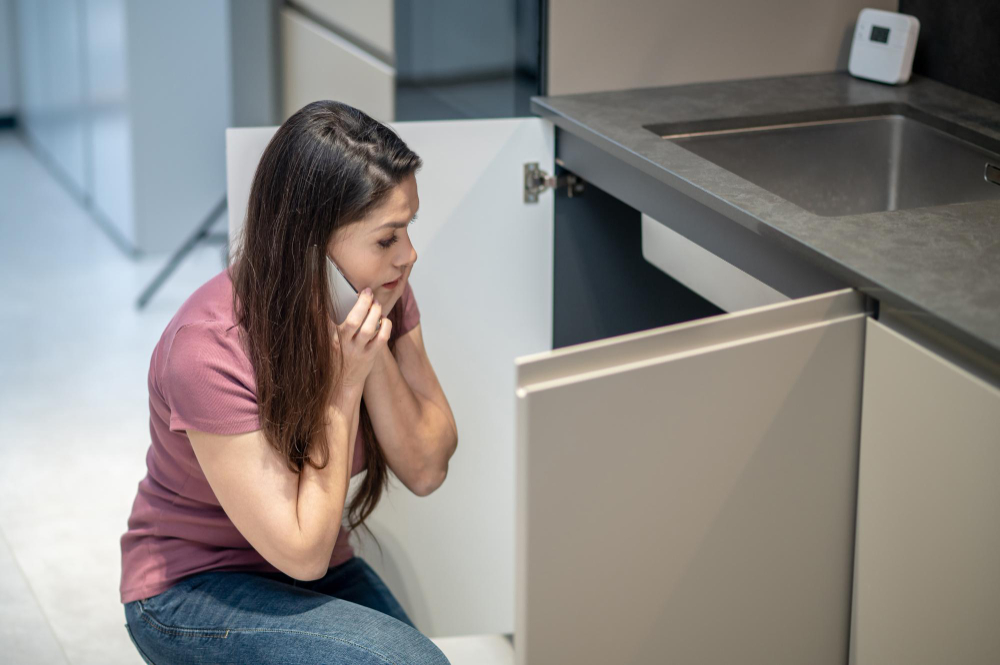
How Pests Establish Themselves Without Detection
Pests are highly adaptive and often take advantage of small openings or environmental conditions that go unnoticed. Without regular monitoring, they can establish themselves before any clear signs appear.
- Ants may build colonies within walls or near foundations, expanding gradually
- Cockroaches often remain hidden in kitchens, bathrooms, and storage areas
- Rodents can nest in attics or crawl spaces, moving through unseen pathways
- Termites may begin feeding on structural wood without visible damage at first
These pests thrive in environments where activity is not regularly assessed. By the time signs become noticeable, the infestation may already be well established.
A pest control plan helps identify these early stages, reducing the likelihood of larger problems developing over time.
The Hidden Costs Of Delayed Pest Management
Ignoring pest activity or relying on occasional treatments can lead to long-term consequences. Many of these costs are not immediately apparent but increase as infestations grow.
- Structural damage caused by termites or rodents can require extensive repairs
- Contamination from pests can affect food storage areas and surfaces
- Repeated infestations may lead to higher cumulative treatment costs
- Disruptions to daily routines can impact comfort and productivity
These effects often develop gradually, making them easy to underestimate. However, the longer pests remain active, the more complex and costly the situation can become.
Preventative measures are generally more effective than reactive solutions, especially when dealing with pests that reproduce quickly.
Health And Environmental Risks Of Pest Activity
Pests are not only a structural concern. They can also affect health and overall living conditions within a home.
- Cockroaches and rodents can contribute to poor indoor air quality
- Bites from pests such as ticks may pose health concerns
- Accumulated droppings and debris can create unsanitary conditions
- Outdoor pest activity can limit the safe use of yard spaces
Creating a safe environment often involves managing both indoor and outdoor pest activity. For example, understanding how to establish a tick safe yard highlights the importance of targeted prevention in specific areas.
These risks emphasize the importance of consistent monitoring and control rather than waiting for visible issues to appear.
Why Pests Return Without A Structured Plan
One of the most common challenges in pest management is recurrence. Without a clear strategy, pests often return even after initial treatments.
- Untreated entry points allow pests to re-enter the property
- Environmental conditions that attract pests remain unchanged
- Partial treatments may not address the full extent of the infestation
- Seasonal changes can reintroduce activity in previously affected areas
A pest control plan addresses these factors by focusing on long-term prevention rather than short-term results. It considers how pests behave, where they enter, and what conditions support their presence.
This approach is especially important for pests that require specific treatment methods. For instance, strategies such as targeted ant treatments demonstrate how understanding behavior leads to more effective outcomes.
Without this level of planning, pest activity can become a recurring issue that is difficult to manage consistently.
Why Professional Pest Control Plans Offer Better Protection
A well-structured pest control plan is built on detailed assessment and ongoing evaluation. It involves more than periodic treatments. It includes monitoring, prevention, and adjustments based on changing conditions.
Professionals approach pest management by examining the entire property. They identify risk areas, evaluate environmental factors, and apply methods that align with the specific pests present. This comprehensive approach helps ensure that both current and potential issues are addressed.
In addition, professional plans provide consistency. Regular inspections and treatments help maintain control over time, reducing the likelihood of unexpected infestations.
Because pest activity can change with seasons and environmental conditions, having a structured plan allows for timely adjustments. This adaptability is key to maintaining long-term protection.
When Prevention Becomes More Valuable Than Reaction
Waiting for pests to become visible often means the problem has already developed. Early prevention helps reduce the need for more extensive interventions later.
Recognizing the value of a pest control plan supports better outcomes and a more stable living environment.
Stay Ahead Of Pest Problems Before They Start
When it comes to protecting your home, a proactive approach makes all the difference. Contact WPC Services for a pest control plan designed to prevent infestations and support long-term peace of mind.