
Mosquito activity often begins long before it becomes noticeable. What appears as a few insects flying around the yard is usually the result of ongoing mosquito breeding in hidden areas. These pests rely on water, shelter, and warmth to reproduce, and even small oversights can create the perfect conditions for rapid population growth.
What makes mosquitoes particularly challenging is how quickly they multiply. A single breeding site can produce dozens of mosquitoes in a short period, and many of these areas are easy to miss during routine yard maintenance. This is why early awareness and consistent attention play a key role in reducing their presence.
From an expert perspective, controlling mosquito breeding requires a focused approach that targets the source rather than just the visible activity. By addressing the conditions that allow mosquitoes to reproduce, it becomes possible to maintain a more comfortable and controlled outdoor space.
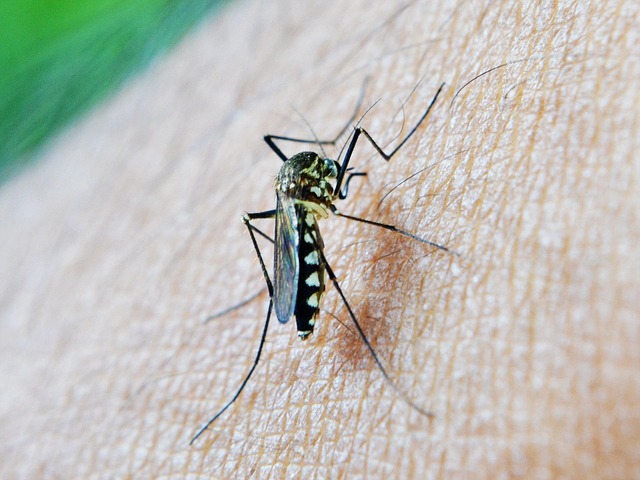
Where Mosquito Breeding Typically Occurs In Yards
Mosquitoes do not need large bodies of water to reproduce. In fact, some of the most active breeding sites are small, hidden, and easily overlooked.
- Standing water in containers. Buckets, plant saucers, and outdoor equipment can collect enough water to support mosquito larvae.
- Clogged gutters and drainage areas. Blocked systems allow water to sit undisturbed for extended periods.
- Low spots in the yard. Uneven ground can retain water after rainfall, creating temporary breeding zones.
- Decorative features. Birdbaths, fountains, and ponds can become active sites if not properly maintained.
- Covered or shaded areas. Water that remains protected from sunlight tends to evaporate more slowly, allowing larvae to develop.
Identifying these areas is a critical first step in reducing mosquito breeding and preventing population growth.
Why Water Management Is The Most Important Step
Water is the foundation of mosquito breeding. Without it, mosquitoes cannot complete their life cycle. Managing water effectively is, therefore, one of the most impactful strategies.
- Removing standing water reduces breeding opportunities. Regularly checking and clearing containers prevents larvae from developing.
- Improving drainage helps eliminate problem areas. Proper grading and maintenance reduce water accumulation.
- Maintaining water features prevents stagnation. Circulation and cleaning limit conditions that support mosquito growth.
- Monitoring after rainfall ensures that new breeding sites are addressed quickly.
- Consistency is key. Even short periods of standing water can allow mosquitoes to reproduce.
These efforts form the core of any effective mosquito control strategy and help limit population growth before it becomes noticeable.
How Yard Conditions Influence Mosquito Activity
Beyond water, several environmental factors contribute to mosquito breeding and overall activity. These conditions often work together, making it important to address them as part of a broader strategy.
- Dense vegetation provides shelter. Shrubs, tall grass, and overgrown areas create resting zones for mosquitoes.
- Shade helps retain moisture. Cooler, shaded areas allow water to remain longer and support breeding.
- Organic debris supports insects. Leaves and yard waste can trap moisture and create favorable conditions.
- Limited airflow encourages activity. Stagnant air allows mosquitoes to remain active in one area.
- Nearby pest activity contributes to the environment. Mosquitoes often thrive alongside other pests such as ants, spiders, and rodents, which share similar conditions.
Managing these factors helps create a less favorable environment for mosquitoes and reduces their ability to establish breeding sites.
Why Mosquito Breeding Returns Without Ongoing Prevention
Mosquito control is not a one-time effort. Even after initial improvements, conditions can change quickly, allowing breeding to resume.
- New water sources can form unexpectedly. Rainfall and irrigation can create fresh breeding areas.
- Small overlooked spots remain active. Even minor water accumulation can support larvae.
- Seasonal changes increase activity. Warmer temperatures accelerate mosquito development.
- Lack of monitoring allows populations to grow. Without regular checks, breeding can go unnoticed.
- Inconsistent pest management leads to recurring issues. This is further explained in this guide on pest control risks.
Ongoing attention is necessary to maintain results and prevent mosquitoes from returning.
The Role Of Professional Support In Mosquito Control
While environmental management plays a major role, professional insight helps ensure that mosquito breeding is addressed thoroughly and effectively.
- Detailed inspections identify hidden breeding areas that may be missed during routine checks.
- Targeted treatments focus on both larvae and adult mosquitoes.
- Customized strategies adapt to the specific conditions of the property.
- Consistent monitoring supports long-term control.
- Broader pest management helps address related issues, including ants, spiders, rodents, and other common pests that share the environment.
Additional strategies for maintaining outdoor comfort can be found in this resource on mosquito prevention tips.
A comprehensive approach ensures that mosquito breeding is managed at its source rather than temporarily reduced.
Take Back Control Of Your Outdoor Space
Mosquito breeding can quickly turn a comfortable yard into an area that is difficult to enjoy. Addressing the conditions that support their growth helps create a more balanced and manageable environment.For a more thorough evaluation and effective mosquito control, contact WPC Services and explore solutions designed to keep your yard comfortable and protected throughout the season.