
Summer brings more time outdoors, but it also raises the chance of ticks moving closer to pets, children, and everyday living spaces. Warm weather, taller grass, active wildlife, and shaded yard areas can create the right conditions for ticks to wait for a host. Once they attach to a pet or person, they can be carried inside without being noticed right away.
A tick problem is not always obvious at first. Ticks are small, patient, and often hidden around edges where lawns, woods, fences, and shrubs meet. Understanding summer risk helps families protect outdoor comfort while recognizing when professional pest support is the more efficient path.
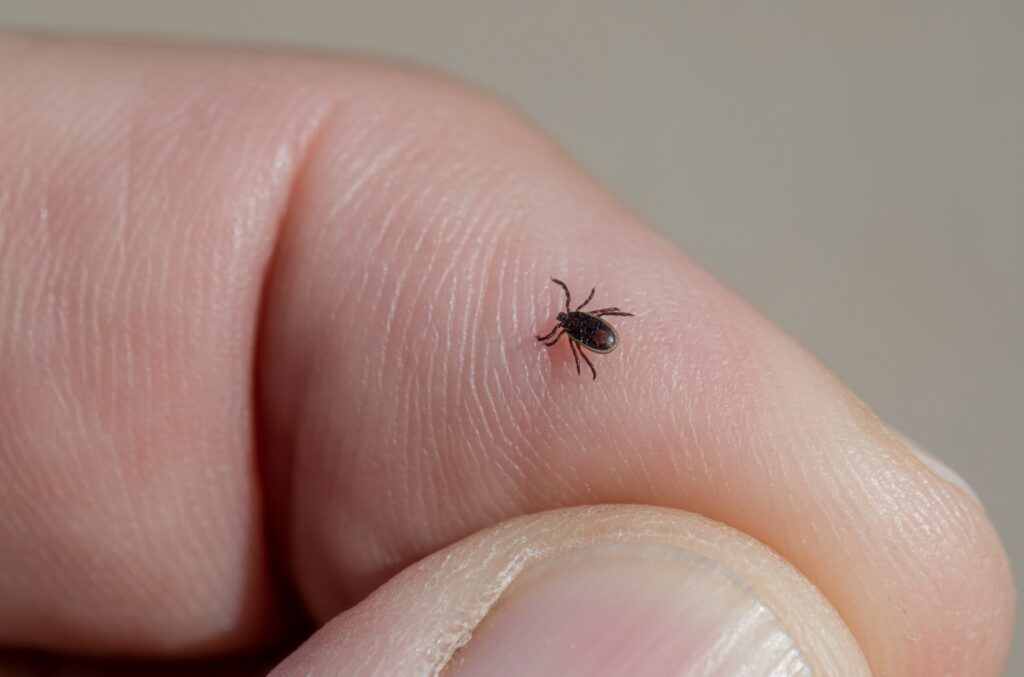
Warm Weather Extends Tick Activity
Ticks become more active when temperatures rise, and humidity helps them survive. In summer, they may stay active in shaded grass, leaf litter, brush, and wooded borders. These areas protect them from drying out while giving them access to pets, people, and wildlife.
- Shaded grass can hold moisture longer than open, sunny areas.
- Leaf litter and brush create protected places where ticks can wait.
- Humid weather supports survival during peak outdoor activity.
- Longer summer days increase exposure during walks, play, and yard work.
Seasonal awareness matters because tick pressure can build before families notice bites or attached ticks. A resource about worsening tick season explains why summer conditions deserve close attention, especially around homes near wooded or grassy spaces.
Pets Can Carry Ticks Indoors
Dogs and cats often move through the exact areas where ticks wait. Fence lines, trails, tall grass, shrubs, decks, and shaded corners can all expose pets during normal activity. Even short outdoor trips may be enough for a tick to attach to fur, collars, ears, paws, or under the legs.
Once indoors, ticks may transfer to bedding, rugs, furniture, crates, or people. This does not mean pets are the only source, but they are one of the most common connections between outdoor tick habitat and indoor concern. Regular pet checks are helpful, but they do not replace broader yard attention when activity keeps returning.
Professional inspection helps evaluate whether the yard itself is supporting tick pressure. That includes looking at vegetation, animal movement, moisture, and outdoor resting zones where pets spend time.
Wildlife Keeps Ticks Moving Through The Yard
Ticks rely on hosts. Wildlife passing through a property can bring ticks into areas where families and pets later spend time. Deer, rodents, raccoons, squirrels, birds, and other animals may move along fences, wooded edges, sheds, gardens, and backyard borders.
- Rodents can carry ticks into dense vegetation and foundation edges.
- Deer movement can increase tick pressure near lawns and wooded lines.
- Birds and small mammals may spread ticks through shrubs and gardens.
- Wildlife trails can connect neighboring yards and common green spaces.
This is why a yard can develop tick pressure even when it looks maintained. Host animals may pass through at night or early morning, leaving ticks behind in sheltered areas. WPC Services also handles pests such as ants, cockroaches, mosquitoes, rodents, termites, ticks, and general pest concerns, so tick prevention often fits into a larger property-care view.
Yard Layout Can Increase Exposure
Some landscape features make tick encounters more likely. Dense shrubs, tall grass, woodpiles, leaf buildup, ground cover, and shaded sitting areas can give ticks the protection they need. Children and pets are more likely to brush against these areas during play, yard chores, or routine outdoor movement.
Fencing can also influence how wildlife moves around the property. A guide to tick prevention fencing shows why barriers, yard boundaries, and wildlife access points matter. Fencing is not a complete solution by itself, but it can be part of a long-term strategy when combined with inspection, habitat reduction, and targeted service.
The most useful plan looks at the entire yard instead of only the spot where ticks were found. Edges, transition zones, and pet routes often reveal the pattern.
Early Action Helps Protect Everyone
Ticks are more than a nuisance because they can affect both pets and people. Families may notice attached ticks, unexplained bites, irritation after outdoor activity, or repeated tick sightings on pets. When signs continue, the source may be outside rather than inside.
- Check pets after walks, yard time, boarding, or grooming visits.
- Watch children’s socks, shoes, legs, waistbands, and hairlines after outdoor play.
- Keep outdoor sitting areas away from dense brush and leaf buildup.
- Arrange a professional evaluation when sightings repeat or spread.
The best summer protection is steady, property-specific prevention. A one-time reaction may reduce concern briefly, but long-term results depend on identifying where ticks wait, how hosts move, and which areas keep supporting activity. Professional service helps families reduce risk more efficiently while keeping the yard more comfortable for pets, guests, and daily use.
Keep Summer Outside Safer
For careful inspection, targeted tick support, and long-term pest prevention for your home and yard, contact WPC Services.