
Tick season can feel longer and more intense when warm weather, humidity, wildlife movement, and thick vegetation overlap. A tick problem may begin in the yard before anyone notices a bite. These pests wait in shaded grass, leaf litter, brush, and transition areas where people, pets, rodents, deer, or other animals pass close enough for ticks to attach.
Ticks are not like mosquitoes that fly toward activity. They rely on hosts and suitable outdoor conditions. That makes prevention more complex because the issue may involve vegetation, wildlife pathways, pet routes, and shaded zones around the property. Professional pest control helps identify where tick pressure is building and how to reduce the conditions that allow it to continue. It can also reveal overlapping concerns with mosquitoes, rodents, termites, cockroaches, ants, bees, wasps, hornets, and yellow jackets.
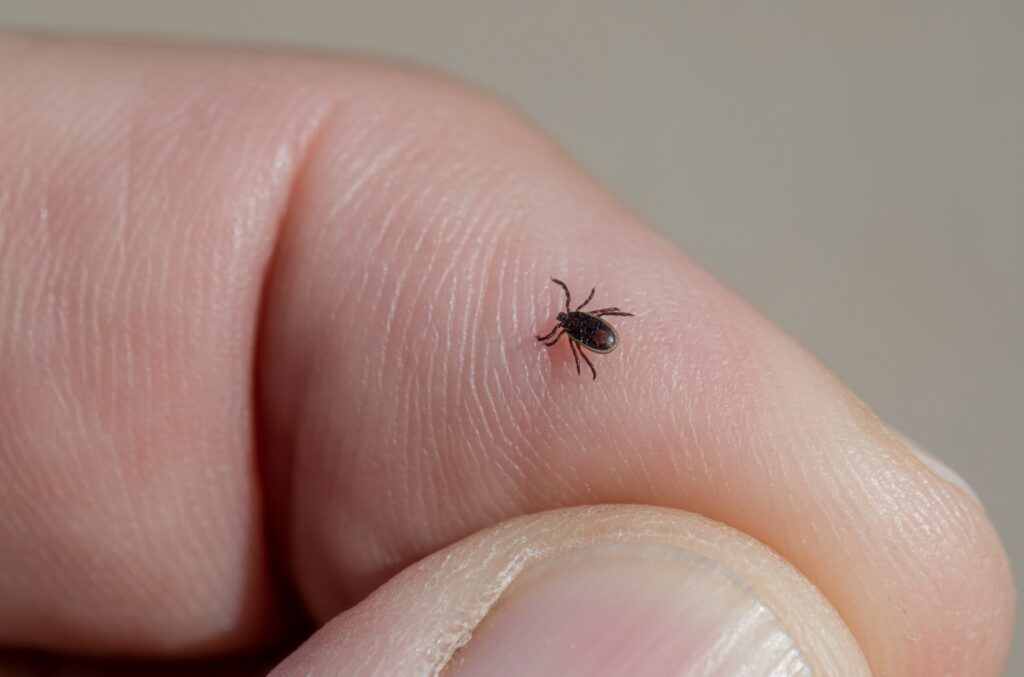
Know Why Tick Pressure Builds In Warm Weather
Ticks become more active when temperatures rise and outdoor conditions support survival. Moisture helps them avoid drying out, while shade gives them protected areas to wait for hosts. If a yard has overgrown edges, tall grass, wooded borders, or wildlife activity, tick pressure can increase quickly.
Common risk factors include:
- Vegetation. Tall grass, dense brush, and leaf piles create protected tick zones.
- Wildlife. Deer, rodents, and other animals can carry ticks through the property.
- Moisture. Damp, shaded soil helps ticks survive during warm months.
- Pets. Dogs and outdoor pets may pass through tick-friendly areas.
- Edges. Fence lines, wooded borders, sheds, and stone walls can become travel corridors.
A few ticks may be the first sign of a broader outdoor pattern. Professional inspections look at how the yard is used by pests and hosts.
Manage Vegetation Before Tick Habitat Expands
Vegetation directly affects tick activity because ticks need shaded, humid places to wait. Overgrown grass, thick shrubs, brushy borders, and piles of organic debris can all create conditions that help ticks survive longer. More cover makes it easier for ticks to stay close to areas used by people and pets.
A helpful guide to vegetation management explains why plant growth should be part of a tick-prevention plan. This does not mean stripping a yard bare. It means keeping high-risk zones easier to monitor and less inviting to ticks and host animals.
Important vegetation steps include:
- Trimming. Keep grass, weeds, and brush maintained around play areas, patios, and paths.
- Clearing. Remove leaf piles, yard debris, and clutter near fence lines or sheds.
- Spacing. Create separation between wooded edges and high-use lawn areas.
- Pruning. Cut back shrubs that create damp, shaded pockets close to the home.
- Monitoring. Watch shaded borders after rain or heavy irrigation.
When vegetation stays managed, professional treatments can be applied with better accuracy and reach.
Use Barriers To Reduce Host Movement
Ticks often spread because animals move through the yard. Rodents, deer, and other wildlife can carry ticks into areas where families and pets spend time. Fencing, landscape design, and property maintenance can help reduce some movement patterns, especially when paired with regular inspection and targeted service.
This discussion on tick barriers explains why physical separation can support broader prevention. Fencing alone does not remove a tick problem, but it can help limit access from high-pressure areas when used with vegetation management and professional pest control.
Barrier-focused planning may include:
- Fencing. Secure fencing can help reduce certain animal routes through the yard.
- Gravel. A dry border between wooded edges and lawn spaces can discourage tick movement.
- Storage. Firewood, tools, and outdoor items should not create shelter for rodents.
- Trash. Sealed bins help reduce animal activity near the home.
- Pathways. Clear walking routes reduce contact with brush and tall grass.
A stronger tick plan looks at how hosts enter, where ticks wait, and which areas need protection.
Bring In Professional Support Before Activity Spreads
A worsening tick season should not be handled as a one-time nuisance. Ticks can remain hidden until contact happens, and bites may occur after pets or people pass through untreated areas. Professional service evaluates shaded vegetation, moisture, wildlife pressure, pet routes, borders, and areas where ticks are most likely to wait.
A professional plan may include targeted outdoor treatments, monitoring, vegetation recommendations, and guidance for reducing host activity. It can also help distinguish tick pressure from related outdoor pest issues such as mosquitoes around standing water, stinging insects near nesting sites, rodents using cover, or termite conditions tied to wood and moisture.
The goal is long-term reduction, not temporary comfort. When tick pressure is addressed early, the yard becomes safer and easier to enjoy through warm months. Waiting until bites become frequent can make the problem more widespread and harder to manage.
Keep Tick Pressure From Taking Over The Yard
A tick problem becomes more difficult when vegetation, wildlife movement, moisture, and warm weather all work together. Professional inspection and targeted service help identify where ticks are likely to gather and how to reduce ongoing risk. For dependable tick control and broader pest support, contact WPC Services.