
Ticks are not limited to wooded trails or residential yards. Commercial properties with landscaped edges, shaded lawns, walking paths, outdoor seating, pet-friendly areas, and vegetation near buildings can also create conditions where ticks survive and wait for passing hosts.
Customers, employees, tenants, students, guests, and visitors may spend time outdoors without realizing that certain parts of the property support tick pressure. Professional tick control becomes especially valuable when inspections show recurring activity, favorable habitat, or frequent exposure in areas people use every day.
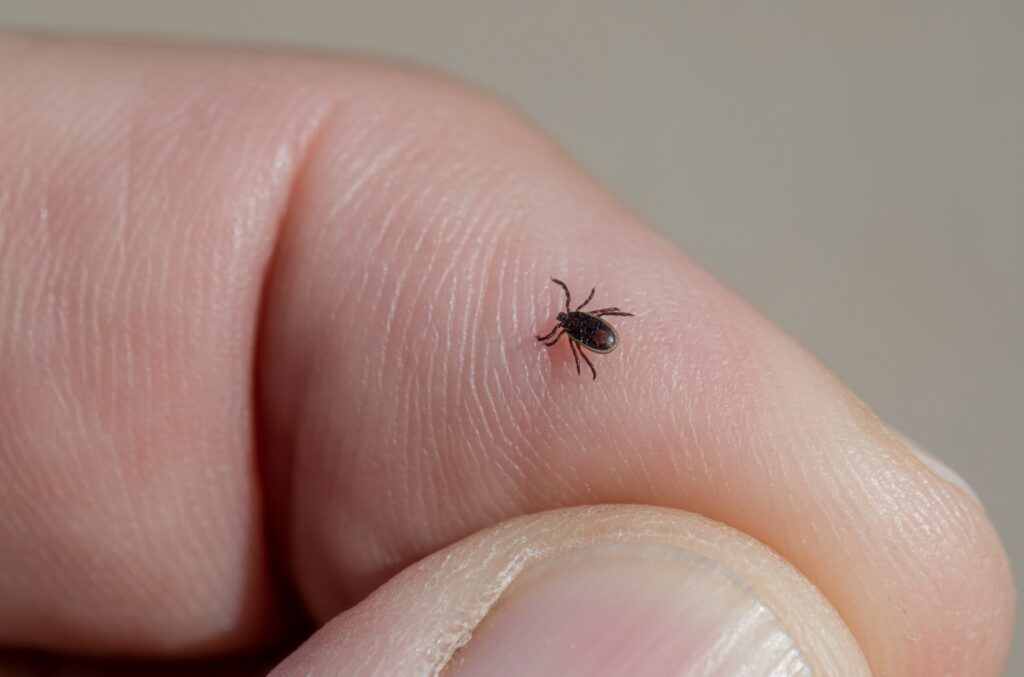
High-Traffic Outdoor Areas Can Increase Exposure
Commercial properties often contain several places where people move close to grass, shrubs, ground cover, or wooded edges. Ticks do not jump or fly. Instead, they wait on vegetation and attach when a person or animal brushes past.
Higher-risk areas may include:
- Shaded walkways bordered by tall grass or dense shrubs.
- Outdoor seating near vegetation or wooded property lines.
- Pet-friendly spaces where animals regularly move through grass.
- School grounds, apartment common areas, and landscaped recreation zones.
- Building edges where moisture and leaf litter create protected conditions.
That distinction matters because safety improves when treatment is based on actual property conditions.
Seasonal Pressure Can Change Quickly
Tick activity can rise as temperatures warm and moisture levels support survival. Rainfall, humidity, vegetation growth, and movement by rodents or other animal hosts can all change how much pressure a property experiences from one part of the season to another.
This is why understanding seasonal tick pressure matters for commercial properties. A site that seemed low-risk earlier in the year may develop more favorable conditions after periods of rapid plant growth, wet weather, or increased animal movement.
Professional tick control can help identify those changes before customers begin reporting bites or staff notice repeated activity. Early attention is especially useful around outdoor gathering spaces, schools, apartment communities, hotels, healthcare facilities, and other properties where people may spend extended time outside.
Vegetation and Moisture Can Create Hidden Harborage
Ticks depend on moisture and shelter because direct heat and dry conditions can reduce their survival. Dense landscaping, tall grass, shaded ground cover, leaf litter, and overgrown property lines can create protected microclimates.
A commercial assessment may focus on:
- Thick vegetation along fences, walls, or walking routes.
- Moist ground beneath shrubs and shaded landscape beds.
- Leaf litter or debris that remains undisturbed for long periods.
- Property edges where rodents or other animal hosts travel.
- Outdoor zones where customers or employees regularly pass close to vegetation.
The goal is not to remove all greenery. Instead, a property-specific plan can identify where excessive shade, moisture, or overgrowth is creating avoidable tick pressure.
That broader view is more effective than reacting to one sighting because ticks may be distributed across several small harborage areas.
Vegetation Management Supports Long-Term Prevention
Long-term tick control works best when treatment and property conditions are considered together. Thick growth near customer areas may hold moisture, support animal movement, and make it harder to identify where tick activity is concentrated.
This guide to vegetation management explains how reducing overgrowth, improving airflow, and limiting protected harborage can support stronger prevention without stripping a property of useful landscaping.
A professional plan may include:
- Inspecting vegetation before deciding where treatment is needed.
- Focusing on transition zones between maintained and overgrown areas.
- Reducing conditions that help ticks retain moisture.
- Monitoring wildlife or rodent movement that may introduce new ticks.
- Adjusting service as seasonal growth and weather patterns change.
This type of coordinated approach helps commercial properties avoid a one-time response that loses effectiveness while the same environmental conditions continue.
Routine Tick Control Can Support Safer Customer Spaces
Commercial tick control is most useful when people regularly use outdoor areas and the property has conditions that support recurring activity. Retail centers, apartment communities, schools, hotels, healthcare campuses, offices, and other businesses may all have landscaped spaces that deserve closer attention.
Professional service can provide a clearer picture of where ticks are likely to gather, which areas pose the greatest exposure risk, and whether treatment should be paired with vegetation management or ongoing monitoring.
This matters because customer safety is not improved by treating every square foot the same way. A targeted program focuses on the places where vegetation, moisture, shade, host movement, and foot traffic overlap.
Tick control also benefits from consistency. Weather changes, plant growth, landscaping work, and animal activity can create new pressure points over time. Regular inspections allow the plan to change with the property rather than relying on outdated assumptions.
For commercial properties, the strongest approach combines inspection, targeted treatment, habitat reduction, and follow-up monitoring. That helps reduce tick pressure while keeping customer areas more comfortable and better managed throughout the active season.
Keep Outdoor Customer Areas Safer
When tick pressure develops around high-use commercial spaces, early professional attention can help reduce exposure and support long-term prevention. Contact WPC Services for professional tick control built around your property, customer activity, and seasonal conditions.