When roaches invade a home or business, their presence can quickly become overwhelming. These pests multiply rapidly, hide in hard-to-reach areas, and carry allergens that compromise indoor hygiene. While many people turn to sprays for quick results, gel baits have become a preferred choice for lasting control. Both have benefits, but understanding how they work is the key to choosing the right solution.
Understanding Roach Behavior Before Choosing a Treatment
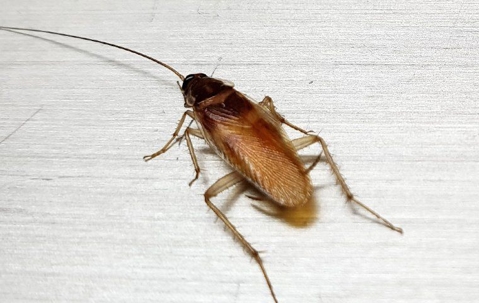
Before comparing treatment methods, it is essential to understand how roaches behave. They are nocturnal insects that prefer warmth, moisture, and dark shelter. Common hiding areas include under sinks, behind refrigerators, inside cabinets, and along plumbing lines. Their diet is extremely flexible, allowing them to feed on crumbs, grease, paper, and even soap residue.
Because roaches can flatten their bodies to squeeze into tiny spaces, they are often difficult to spot until an infestation is already established. They leave pheromone trails that help others find food and safe nesting areas, creating a continuous cycle of activity.
Effective pest control requires targeting these hidden zones rather than just the visible areas where roaches emerge at night. This is where understanding the difference between spray treatments and roach bait can make a significant impact.
Gel Baits: Precision and Lasting Effect
Gel baits are one of the most effective modern tools for controlling roaches. Instead of killing on contact, gel bait works by attracting roaches to consume a slow-acting toxic substance disguised as food. After feeding, the roach returns to its hiding spot and spreads the toxin through droppings, regurgitation, and direct contact with others. This chain reaction can eliminate entire colonies over time.
Professionals prefer gel baits for several reasons:
- Targeted application in cracks, crevices, and hidden corners reduces unnecessary chemical exposure.
- Long-lasting formulation provides continuous control for several weeks.
- Minimal mess, odor, or visible residue keeps homes and workplaces clean.
- Effective even in areas where sprays are unsafe, such as kitchens or pantries.
However, gel bait placement must be done correctly. If applied in dusty or greasy areas, the bait becomes less attractive to roaches. Professionals know how to locate the most active trails and adjust placement according to species and infestation size.
For a deeper look at why maintaining a sanitary environment is crucial during roach treatment, you can review this helpful article on cockroach allergen risks.
Spray Treatments: Fast Relief but Limited Penetration
Spray treatments remain popular because they offer immediate results. They work well for killing roaches that are actively moving across floors or walls. Most sprays are contact-based, meaning the insect must come into direct contact with the product to be affected.
While this can reduce surface-level activity, sprays have notable limitations. They rarely reach deep into cracks or wall voids where roaches breed. Over time, their chemical residue fades, which allows new roaches to return.
Common disadvantages include:
- Short lifespan that requires frequent reapplication.
- Limited access to nesting sites hidden behind walls or under flooring.
- Potential repellency that drives roaches to other parts of the structure.
- Overuse can lead to chemical resistance in certain species.
Despite these drawbacks, sprays can still play an important role in a well-structured pest control program. They are ideal for treating high-traffic areas or entry points where roaches are likely to appear.
Combining Both Methods for Complete Control
The most successful roach management strategies often involve combining gel baits with spray applications. This two-part approach allows for both immediate and long-term results. The spray handles the active population, while the bait eliminates the hidden ones.
A professional plan may include:
- A thorough inspection of nesting areas and potential entry points.
- Precise gel bait placement in corners, behind appliances, and near plumbing lines.
- Non-repellent spray application along baseboards, walls, and under sinks.
- Sanitation measures to remove grease, crumbs, and moisture that attract roaches.
- Regular follow-up visits to evaluate progress and make adjustments.
This integrated method attacks infestations from every angle. It not only eliminates current roach activity but also prevents future reinfestations.
To understand why pinpointing nesting sites is essential, read this detailed guide on roach harborage detection.
Why Professional Help Outperforms DIY Approaches
Many homeowners attempt to manage roach infestations on their own using over-the-counter sprays or store-bought baits. While these can provide temporary relief, they often fail to address the full scope of the problem. Roaches are highly adaptive and can develop resistance to common retail chemicals.
Hiring professionals offers several advantages:
- Access to commercial-grade gels and non-repellent sprays that last longer and target multiple species.
- Expert knowledge of roach biology, allowing for strategic product placement.
- Reduced risk of chemical overuse or exposure.
- Comprehensive inspection that identifies hidden moisture, leaks, or entry points.
- Long-term prevention strategies to maintain a pest-free environment.
Professionals understand that successful control is not just about killing visible insects. It requires a deep understanding of their movement patterns, food sources, and nesting habits. By tailoring treatments to each situation, professionals ensure the entire population is eliminated rather than temporarily scattered.
Achieve Lasting Relief with Trusted Roach Experts
A successful roach treatment strategy focuses on more than short-term fixes. Whether you choose gel baits, spray treatments, or a combination of both, consistency and professional insight are essential for long-term results. If you are dealing with a recurring infestation or want to prevent one from developing, reach out to WPC Services for expert guidance and proven pest management solutions.