
Rodent problems rarely follow a single season. While activity may spike during colder months, mice and rats remain active year-round, adapting quickly to changes in weather, food availability, and shelter. From an expert perspective, effective rodent control is not about reacting to sightings. It is about understanding behavior patterns, eliminating access points, and maintaining consistent prevention throughout the year.
Homes provide rodents with everything they need to survive, including warmth, nesting materials, and hidden pathways. Without a structured plan, infestations often fade temporarily, only to return when conditions shift. Year-round rodent control focuses on staying ahead of these cycles rather than chasing them.
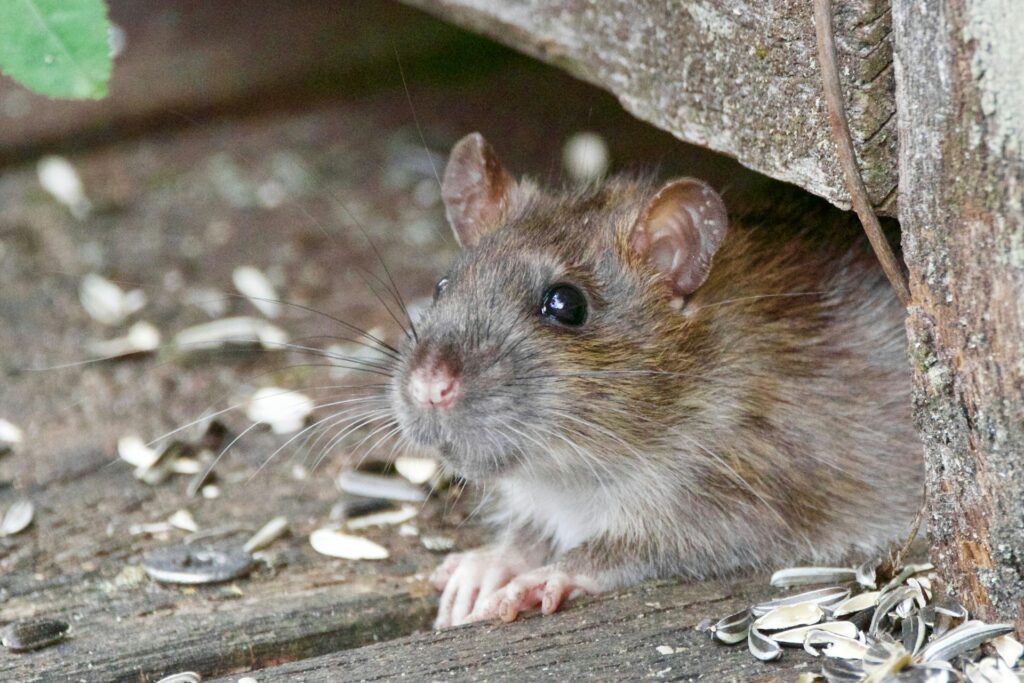
Understanding Rodent Behavior Across the Seasons
Rodents are opportunistic and highly adaptable. Their movement and nesting habits change as temperatures fluctuate, which is why infestations often appear unpredictable to homeowners.
During colder months, rodents seek indoor shelter to escape falling temperatures. In warmer seasons, activity may shift toward garages, crawl spaces, or exterior walls while indoor nesting continues unnoticed. These seasonal transitions explain why rodent problems often feel ongoing rather than isolated.
Environmental changes such as rainfall, landscaping growth, and construction activity can also displace rodents, pushing them into nearby structures. Similar patterns are discussed in resources about cold-weather movement, where seasonal pressure drives rodents to adapt quickly.
Recognizing these patterns is essential for developing rodent control strategies that remain effective throughout the year.
Common Entry Points Rodents Exploit Repeatedly
Rodents do not require large openings to enter a home. Small gaps and structural seams are often enough, especially when they remain undisturbed over time.
- Gaps around doors, windows, and garage seals
- Utility penetrations for pipes, cables, and vents
- Cracks in foundations and siding
- Roofline openings and attic vents
Once rodents identify a reliable access point, they tend to reuse it. Over time, repeated use enlarges openings and strengthens scent trails, increasing the likelihood of ongoing activity. Entry routes used during winter often remain active well into spring and summer unless properly addressed.
Understanding how rodents gain access, as outlined in discussions around winter entry paths, helps explain why sealing and exclusion are central to long-term rodent control.
Interior Areas Rodents Prefer for Nesting
After entering a structure, rodents seek quiet, protected areas that offer warmth and minimal disturbance. These spaces allow them to nest and reproduce without frequent detection.
- Attics and insulation where heat is retained
- Wall voids and ceiling cavities
- Crawl spaces and basements
- Storage areas with clutter or cardboard
Rodents often nest near food sources while remaining hidden from view. Their activity may go unnoticed until scratching sounds, odors, or visible droppings appear. Because nesting can occur in multiple areas simultaneously, surface-level removal rarely resolves the issue.
Although rodent control is the primary focus, it is important to note that other pests, such as carpenter ant infestations, may also develop in similar structural voids when moisture or wood damage is present. This overlap reinforces the need for comprehensive inspection rather than pest-specific assumptions.
Why Year-Round Prevention Outperforms Seasonal Responses
Waiting for rodent activity to become obvious often leads to more extensive infestations and damage. Year-round rodent control emphasizes prevention and monitoring rather than emergency response.
Preventive strategies focus on making the environment less supportive of rodents regardless of season. This includes reducing access, limiting nesting opportunities, and addressing conditions that attract pests.
- Reinforcing exclusion measures as materials age
- Monitoring high risk areas consistently
- Managing food storage and waste practices
- Addressing moisture issues that support nesting
Rodents breed rapidly, which means even short gaps in prevention can lead to population growth. Year-round attention reduces these opportunities and helps maintain control during seasonal transitions.
The Role of Professional Oversight in Long-Term Control
Effective rodent control requires more than sealing gaps or setting traps. Professionals evaluate the entire property, identifying patterns that homeowners may miss. This includes understanding how rodents move between exterior and interior spaces and how conditions change throughout the year.
Professional oversight also allows for adjustments as seasons change. What works in winter may need refinement in summer as rodent behavior shifts. Monitoring ensures that small signs are addressed before they escalate.
Professionals also consider secondary risks such as wiring damage, insulation contamination, and structural wear. These issues often develop quietly and become costly if left unchecked. A comprehensive approach protects both the home and its occupants.
Building a Sustainable Rodent Control Strategy
Long-term success comes from consistency. Homes that maintain structured prevention experience fewer surprises and lower repair costs over time.
- Schedule regular inspections of vulnerable areas
- Maintain exterior barriers and seals
- Address environmental changes promptly
- Reassess strategies as conditions evolve
Sustainable rodent control is proactive rather than reactive. It acknowledges that rodents are persistent and plans accordingly.
Staying Ahead of Rodent Activity All Year
Rodent problems do not follow a calendar, which is why year-round strategies are essential. Understanding behavior, closing access points, and maintaining consistent oversight reduces the risk of recurring infestations. For expert guidance and dependable rodent control solutions, contact WPC Services to protect your home with confidence throughout every season.