Effective mosquito control involves selecting the right treatment method for your property’s needs. Two commonly used options are fogging and misting, each offering distinct benefits and limitations. Understanding these differences helps ensure a targeted approach that maximizes protection while minimizing unnecessary chemical use.
Mosquito populations can thrive quickly, especially in warm and humid environments, making timely and strategic intervention essential. While both fogging and misting deliver insecticides into mosquito habitats, their application methods, coverage areas, and duration of effectiveness vary significantly. Choosing between them involves evaluating your property’s layout, environmental conditions, and long-term control goals.
It’s also important to remember that chemical application is only one part of an integrated strategy. Preventive steps, such as removing standing water and addressing landscaping concerns, are equally crucial. For additional guidance, consider reviewing proven yard mosquito prevention methods to complement either treatment choice.
Fogging Treatments Explained
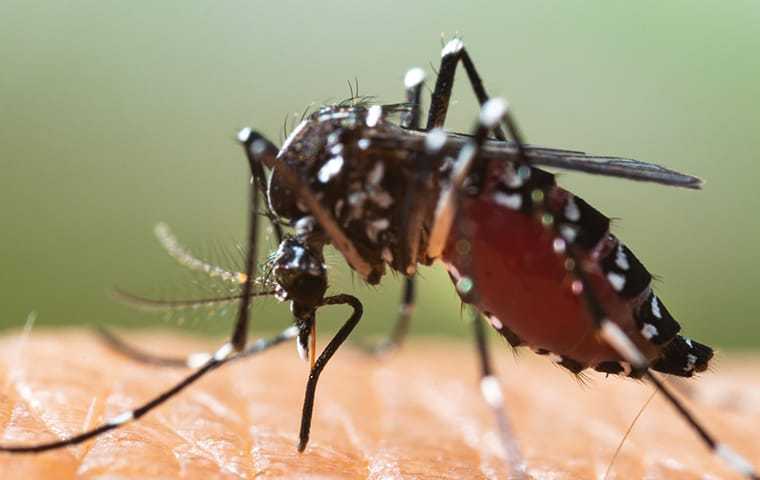
Fogging is a rapid-response mosquito control method designed to target adult mosquitoes directly. Using specialized equipment, ultra-fine insecticide droplets are released into the air, allowing them to drift and contact mosquitoes in flight or resting on surfaces. Because the droplets are so small, they can penetrate dense foliage where mosquitoes often hide during the day.
- Particle size: Extremely small droplets remain suspended in the air longer, increasing the likelihood of contact with flying mosquitoes.
- Application areas: Works well for open lawns, gardens, shaded patios, and event spaces.
- Speed of results: Offers a quick and noticeable reduction in mosquito activity, often within a few hours after application.
Fogging is ideal for short-term relief, such as preparing for an outdoor gathering or responding to a sudden surge in mosquito numbers. However, it is not a permanent solution. The treatment’s effectiveness can be shortened by wind, rain, and other weather conditions. To maintain results, fogging is often paired with other mosquito control strategies that address breeding sources and long-term prevention.
How Misting Systems Operate
Misting systems take a more automated approach to mosquito control. They consist of strategically placed nozzles connected to a supply of insecticide, all controlled by a timer or remote system. At scheduled intervals, the system releases a fine mist over targeted areas, ensuring mosquitoes are consistently exposed to the treatment.
- Consistent coverage: Delivers regular, automated applications without the need for manual setup each time.
- Custom scheduling: Treatments can be timed to coincide with peak mosquito activity, such as early mornings and evenings.
- Broad reach: Targets adult mosquitoes in flight and those resting in shaded, humid zones of the property.
Because misting systems are ongoing, they work to reduce mosquito populations over time by disrupting their life cycles and limiting opportunities to breed. They are particularly effective in properties where mosquito pressure is high for extended periods, such as near wooded areas or water features. While installation and upkeep involve a higher initial investment, the continuous protection they provide can reduce the need for emergency treatments. When maintained properly, misting systems can be a central part of an integrated mosquito control program.
Comparing Effectiveness and Longevity
Both fogging and misting can be effective, but they serve different purposes in a comprehensive mosquito control strategy.
- Fogging: Best for quick relief before outdoor gatherings or when sudden mosquito outbreaks occur. Works well for targeted situations but does not address breeding sites.
- Misting: Designed for long-term population reduction, making it suitable for properties with persistent mosquito issues. It can help lower the need for frequent large-scale treatments.
It’s important to note that neither method alone will solve an infestation if breeding sources remain. Eliminating standing water, trimming dense vegetation, and applying larvicides where appropriate are all essential steps. For insights into why professional applications outperform store-bought solutions, explore this resource on DIY vs professional treatments.
Environmental and Safety Considerations
When using insecticides, it’s essential to balance mosquito control effectiveness with environmental responsibility. Both fogging and misting use chemicals that must be applied correctly to avoid harming non-target species like pollinators.
- Targeted timing: Treat during low pollinator activity periods to reduce unintended impact.
- Proper calibration: Ensures droplet size and chemical concentration are within safe and effective ranges.
- Qualified application: Licensed professionals can select the most appropriate products for your environment and ensure compliance with local regulations.
Selecting the right method also means considering your property’s proximity to water sources, gardens, and areas frequented by pets or children. In such cases, professional assessment is the safest approach.
Choosing the Right Approach for Your Property
Deciding between fogging and misting depends on your property’s mosquito pressure, usage patterns, and budget. Many property owners benefit from combining the two methods, using fogging for immediate relief while installing a misting system for ongoing prevention.
Professional evaluation can help identify breeding zones, determine the optimal frequency of treatments, and recommend preventive measures tailored to your landscape. This approach maximizes mosquito reduction while minimizing unnecessary chemical use.
Take Back Your Outdoor Spaces
Whether you need fast results or long-term protection, expert guidance ensures your mosquito control method fits your property’s needs. Contact WPC Services today to learn how tailored fogging or misting solutions can help you enjoy a safer, more comfortable outdoor environment.