
As the seasons shift and temperatures fall, rodents instinctively begin to change their habits. These small but resourceful creatures are driven by one simple goal: survival. Their behavior during cooler months often leads them closer to human environments, seeking warmth, food, and shelter.
Understanding how rodents adapt during this time helps homeowners anticipate potential infestations and prepare preventive measures before winter sets in. The key lies not only in identifying early warning signs but also in adopting reliable rodent control methods guided by trained professionals.
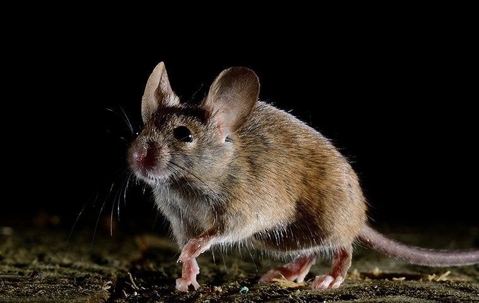
Seeking Shelter in Warm Spaces
When outdoor temperatures drop, rodents immediately look for stable shelter to protect themselves from the elements. Their first instinct is to locate enclosed spaces that provide both warmth and access to food. This explains why many infestations begin during the first weeks of autumn.
Rodents are capable of squeezing through incredibly small openings, some as narrow as a pencil. They explore crawl spaces, basements, attics, and even insulation voids to build nests close to steady heat sources.
- They use cracks or gaps around doors, vents, or foundations to get indoors.
- They follow utility lines and pipes to enter concealed wall cavities.
- They enlarge existing openings through persistent gnawing.
Because these entry points are often hidden, homeowners may not realize they’ve become hosts until scratching noises or droppings appear. A professional inspection can reveal subtle vulnerabilities that DIY inspections tend to overlook.
Behavioral Adjustments for Survival
The colder the climate becomes, the more rodents modify their behavior to conserve energy and ensure survival. This seasonal shift involves both physical and behavioral changes.
- They increase feeding frequency to build fat reserves for insulation.
- They collect nesting materials such as paper, leaves, or cloth to retain heat.
- Their movements become more nocturnal as they avoid open exposure.
- In extreme cold, some species reduce activity, conserving energy through partial dormancy.
These adaptive strategies make rodents exceptionally persistent once they find a suitable nesting site. Attempting to remove them without a plan often leads to re-entry or hidden colonies forming elsewhere. Expert pest specialists understand how to anticipate these behavioral patterns, designing control plans that address both current and future risks.
Why Indoor Activity Increases
As outdoor food sources become scarce, rodents move closer to human living areas where they can find warmth and nutrition. Kitchens, storage rooms, garages, and pantries often become their new foraging zones. This proximity increases health and property risks, as rodents tend to contaminate food supplies and gnaw on wiring or insulation.
When left unaddressed, small infestations can quickly multiply into widespread problems. These issues often lead to structural damage or costly restoration. To understand how neglected infestations can escalate, it helps to read more about the dangers of ignoring early warning signs that can result in expensive repairs.
By acting early, homeowners avoid unnecessary costs and ensure their property remains secure throughout the cold season.
Integrated Strategies for Prevention
Preventing rodents from settling indoors requires more than just setting traps. The most effective approach involves a combination of exclusion, sanitation, and monitoring, all adapted to the property’s layout and surrounding environment.
- Seal structural gaps and utility openings with durable materials.
- Keep outdoor vegetation trimmed and firewood stored away from the home.
- Store grains, pet food, and other attractants in airtight containers.
- Regularly clean lesser-used spaces such as attics and storage closets.
These techniques reflect the foundation of integrated pest management, a sustainable method that focuses on long-term prevention rather than reactive treatment. You can learn more about this comprehensive approach through our expert guide on effective residential pest strategies.
Professionally managed programs combine physical barriers, environmental maintenance, and periodic inspections to stop infestations before they begin.
Health and Property Implications
Rodent infestations are more than just a seasonal inconvenience. The damage and contamination they cause can have lasting consequences.
- Rodents chew through insulation, ductwork, and wiring, increasing fire risk.
- Their droppings and urine can introduce bacteria, viruses, and allergens.
- Secondary pests like fleas and mites often accompany rodent populations.
The health concerns and property costs associated with these damages far outweigh the investment in early prevention. This is why timely professional involvement is not just practical, it’s essential for maintaining safety and hygiene during colder months.
Why Expert Intervention Matters
Rodent control is not a one-size-fits-all task. Every structure has unique vulnerabilities, and different rodent species exhibit varying habits. Professionals bring the knowledge, tools, and precision needed to solve infestations safely and effectively.
They provide:
- Thorough inspections to locate nesting and entry points.
- Safe, humane control measures tailored to each environment.
- Ongoing monitoring and preventive maintenance throughout the year.
While basic cleaning and sealing help, true long-term protection relies on expertise and consistency. Professionals understand how seasonal changes influence pest behavior and can adjust their strategies accordingly.
Stay Ahead of Rodent Season
When colder weather drives rodents closer to your home, prevention becomes your best defense. Protect your space before they settle in by partnering with experts who understand how to stop infestations at the source. Reach out to WPC Services for professional rodent control solutions that keep your property safe, clean, and rodent-free all year round.