Moisture is one of the strongest attractants for pests around homes. Many insects and rodents rely on damp environments for survival, shelter, and reproduction, making water control a foundational part of effective pest prevention. When moisture accumulates around basements, crawlspaces, kitchens, bathrooms, or exterior walls, it creates an ideal environment for pests such as ants, roaches, termites, and rodents to thrive. Managing moisture is not only essential for structural reliability but also for reducing the conditions that lead to recurring infestations.
Many homeowners focus on surface-level pest prevention while overlooking the environmental triggers that make properties appealing to pests in the first place. Moisture is one of these triggers, and even small amounts of excess humidity can support large pest populations. Knowing where moisture originates and how pests respond to these damp conditions allows homeowners to take steps that limit pest access and reduce long-term risk.
Moisture control combines environmental management, structural awareness, and preventive maintenance. By addressing issues early and understanding how moisture interacts with pest behavior, homeowners can prevent infestations before they begin.
Why Moisture Attracts Pests and Increases Infestation Risk
Excess moisture creates ideal habitats for pests. Many species rely on damp conditions for food access, breeding, and nesting. When moisture remains unchecked, the surrounding environment becomes more inviting and sustains larger pest populations.
Moisture-related risks include:
- Increased humidity that supports mold feeding pests like cockroaches
- Softened wood and structural deterioration that attract termites
- Water-damaged zones that allow rodents easier access to weakened entry points
Cockroaches thrive in dark, humid areas such as kitchens, bathrooms, and basements. Moisture allows them to find water sources easily and supports the growth of bacteria and organic material they feed on. Termites and carpenter ants are similarly drawn to softened or decaying wood, which becomes easier to chew and tunnel through.
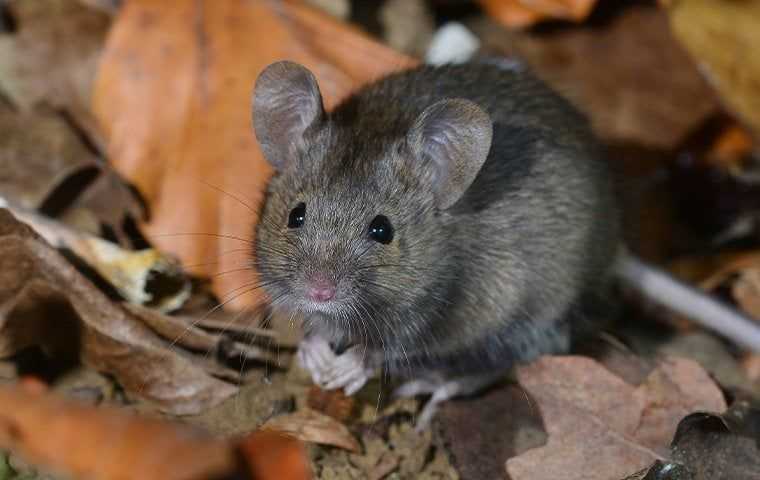
Rodents also take advantage of moisture-weakened structures. Wood rot, settling, and minor cracks caused by water issues can create new entry points that would not exist in a dry environment.
Understanding the link between moisture and pest pressure is essential. Many homeowners reinforce pest barriers without realizing that moisture is driving pest behavior. Strategies found in our winter pest prep guide reinforce the importance of addressing conditions before pests gain access.
Common Moisture Sources That Homeowners Overlook
Moisture problems often go unnoticed because they develop gradually or occur in hidden areas. Many damp zones remain unseen until pests begin to appear. Identifying these moisture sources is one of the most important parts of pest prevention.
Frequent hidden moisture sources include:
- Crawlspaces with poor ventilation or insufficient vapor barriers
- Plumbing leaks behind walls or beneath sinks
- Exterior drainage issues that drive water toward the foundation
Crawlspaces are among the most overlooked moisture zones. Without proper airflow or vapor protection, humidity builds and creates a perfect shelter for insects. Plumbing leaks can remain hidden for long periods, especially when they involve slow drips that do not cause immediate surface damage. Meanwhile, foundation drainage problems, such as clogged gutters or improper grading, allow water to pool near structural walls.
Moisture control begins with understanding where water originates and how it moves through or around the property. Surface cleaning or sealing without correcting moisture issues offers only temporary relief.
How Moisture Control Protects Against Seasonal Pest Activity
Seasonal changes intensify moisture-related pest pressures. During humid periods, rainfall and temperature fluctuations create ideal pest conditions. As the weather shifts toward cooler months, pests move indoors seeking dry, warm shelter that still offers moisture access.
Moisture control benefits include:
- Reducing humidity levels that attract insects during warm months
- Limiting seasonal migration as outdoor conditions become unpredictable
- Preventing structural decay that pests exploit in winter
In warm seasons, controlling humidity reduces the likelihood of roach, ant, and termite activity. When outdoor moisture levels rise, these pests seek dry areas that still provide water access. Properly managing moisture indoors prevents them from moving inside.
During fall and winter, pests become more determined to find indoor shelter. Damp basements, crawlspaces, and utility rooms provide everything they need. Addressing these issues early helps homeowners avoid cold-season infestations.
Myths surrounding winter pest activity often lead homeowners to believe pests disappear entirely. However, insights from our article on winter pest myths show why moisture and shelter remain major drivers of winter infestations.
Essential Moisture Control Strategies for Homeowners
Moisture control is a structured, multi-step process that involves correcting the environment, reinforcing the structure, and monitoring vulnerable areas. While simple surface fixes help temporarily, comprehensive moisture management requires careful assessment and long-term planning.
Key strategies include:
- Installing proper ventilation in attics, basements, and crawlspaces
- Repairing leaks and reinforcing weatherproofing around exterior walls
- Improving drainage systems and redirecting water away from the home
Ventilation reduces humidity levels and prevents condensation buildup. Attics and crawlspaces often benefit the most from these improvements. Leak repair is essential to prevent hidden moisture zones from supporting pests. Even small leaks can sustain large insect populations.
Weatherproofing exterior walls, windows, and doors helps eliminate drafts that contribute to condensation and dampness. Likewise, ensuring proper drainage keeps water away from the home’s foundation, reducing the risk of wood decay and erosion.
Each of these strategies works together to make the home less appealing to pests year-round.
Why Professional Assessment Strengthens Pest Prevention
While homeowners can improve surface-level moisture conditions, identifying deeper moisture problems often requires professional tools and training. Moisture meters, thermal imaging, and full property inspections offer insights that go beyond what homeowners can see. Professional services also ensure that structural vulnerabilities are properly reinforced to prevent future pest issues.
Professional assessment is important because:
- Moisture problems often occur inside walls, crawlspaces, or subflooring
- Structural weaknesses require proper repair to prevent reentry
- Long-term pest prevention relies on accurate moisture control solutions
Experts evaluate not only moisture itself but the conditions that allow it to develop. They identify hidden leaks, insulation issues, and structural decay that contribute to recurring pest problems. This thorough approach creates a safer, healthier, and more resilient home.
When Moisture Invites Pests, Act Early
If moisture issues are making your home vulnerable to insects or rodents, early intervention can prevent major infestations. Contact WPC Services for expert moisture and pest prevention support that keeps your home protected year-round.