
As pest control professionals, we often see homeowners underestimate how active pests can be as winter approaches. Many assume that the drop in temperature automatically means their pest problems will disappear. In reality, that’s when several species begin preparing for survival indoors. Understanding what truly happens during this seasonal transition is key to effective prevention. Below, we’ll unpack the most common misconceptions about pre-winter pests and explain what really happens behind the walls, under the floors, and around your property.
Myth 1: Cold Weather Means Pests Are Gone
When temperatures fall, people expect pests to vanish. However, most pests adapt to cold weather by seeking warmth and shelter in and around homes.
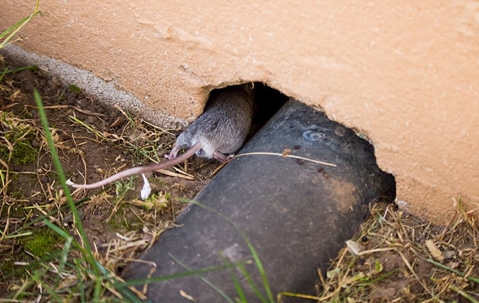
- Rodents, particularly mice and rats, become highly active in late fall. They squeeze through tiny openings around foundations, vents, and door gaps to reach food and warmth. Once inside, they breed rapidly, creating hidden infestations behind walls and in attics.
- Ants don’t disappear during cold months. Many colonies relocate deeper underground or move indoors through cracks in search of heat and moisture.
- Mosquitoes may seem less active outdoors, but larvae can continue developing in standing water until a deep freeze.
- Ticks remain a threat longer than most people realize, staying active in mild winter temperatures or sheltered leaf litter.
- Termites don’t hibernate; subterranean colonies remain busy under the frost line, continuing to feed on wooden structures from below.
This misconception often leads to reduced vigilance just when pests are seeking entry. It’s critical to schedule inspections and apply preventive treatments before the first frost, ensuring these intruders don’t find a way inside during the colder months.
Myth 2: DIY Sprays Are Enough for Pre-Winter Pest Prevention
Many homeowners turn to over the counter sprays and traps to manage pests, believing it saves money. Unfortunately, most DIY efforts only provide surface level control and temporary relief.
Here are some important facts to consider:
- Store bought sprays usually target visible pests but fail to address nests or hidden colonies.
- Professional pest control uses targeted formulas that eliminate pests at the source while minimizing risk to pets and children.
- DIY methods often overlook structural vulnerabilities like small cracks, utility entry points, and attic gaps where pests enter.
- Long term pest management requires monitoring, inspection, and adaptive treatment, something a single can of spray can’t accomplish.
For a deeper understanding of why expertise matters, read more about the risks of relying on home pest sprays. It explains how improper chemical use and incomplete coverage can worsen infestations instead of eliminating them. Pre-winter pest control should always be strategic, guided by proper inspection and targeted treatment rather than quick DIY fixes.
Myth 3: Only Outdoor Pests Matter Before Winter
It’s common for homeowners to focus on yard pest issues and overlook what’s happening indoors. But as temperatures drop, pests shift their habitats inside your home.
- Rodents take advantage of gaps in siding, crawl spaces, or garage doors to build nests in insulation or storage boxes.
- Ants use moisture rich areas like kitchens, bathrooms, and basements to survive winter.
- Termites, though often hidden underground, can invade interior wood structures during this period of soil moisture change.
- Mosquitoes and ticks can linger in sheltered corners such as basements, garages, or even houseplants that provide mild warmth and moisture.
Ignoring the interior environment means missing the main front where pests thrive once temperatures drop. Homeowners who think it’s an outdoor issue often end up with winter infestations that are harder to eliminate. Proper pre-winter pest control involves sealing points of entry, removing attractants, and applying professional treatments to both interior and exterior areas.
To better understand how these invaders find their way indoors, check out this detailed article on common rodent entry points and learn how simple openings can lead to severe infestations if left unsealed.
Myth 4: Termite Risk Drops in Winter
One of the most dangerous myths is believing termites die off or stop feeding once it gets cold. While swarm activity does slow down, termite colonies remain active below the surface.
Termites are cold tolerant when insulated by soil or structural wood. Their underground nests stay at stable temperatures that allow them to keep foraging, even when the air feels cold. This means structural damage can continue throughout the winter, unnoticed until spring.
Delaying inspections or treatments until warmer weather can lead to extensive and costly repairs. Pre-winter inspections are vital because technicians can detect early signs of infestation when colonies are still contained. Preventive treatment during this period helps protect wooden structures and eliminates hidden colonies before they spread.
Myth 5: One Treatment Is Enough to Last the Whole Season
While a single pest treatment can provide temporary relief, it’s rarely sufficient for complete protection throughout winter. Pest activity changes as conditions fluctuate between late fall and early spring.
A professional pre-winter pest control program should include:
- Comprehensive inspection of both interior and exterior areas to identify vulnerabilities.
- Identification and sealing of small gaps, foundation cracks, and other pest entry points.
- Targeted treatments that focus on seasonal pest behaviors, ensuring both prevention and elimination.
- Follow up visits to monitor pest activity and adjust the treatment plan if conditions change.
Moisture shifts, soil contraction, and temperature variations can all open new pathways for pests. Without continuous monitoring, re infestations can occur even after a successful initial treatment. This is why professional oversight is key for long term effectiveness, especially during the winter months when pests thrive in hidden places.
The Bottom Line
As temperatures drop, the instinct may be to assume that pests go dormant. The reality is more complicated. Rodents, ants, termites, ticks, and mosquitoes each have survival tactics that bring them closer to homes when outdoor conditions worsen. Believing common myths about pre-winter pests often leads to infestations that could have been prevented with early, professional intervention. The right pest control measures before winter not only protect your property but also safeguard your family’s comfort and health through the season.
Safeguard Your Home Before Winter Arrives
Before the cold weather fully sets in, ensure your property is protected from pests that seek shelter indoors. For a thorough inspection and effective pest management solution, contact WPC Services today. Our professional expertise ensures your home remains safe, clean, and pest free all winter long.