
As temperatures drop, ant behavior changes significantly. While many think of ants as warm-season pests, winter often drives colonies to seek heat, moisture, and dependable food sources indoors. Kitchens, bathrooms, pantries, and basements offer exactly what they need to survive the colder months. Because of this shift, homeowners in colder regions frequently experience unexpected ant activity during winter, often assuming it is a temporary problem when it is actually the beginning of a larger infestation.
Ants are persistent, highly organized, and capable of exploiting even the smallest structural vulnerabilities. Once they find a stable indoor environment, colonies begin expanding hidden networks within walls or beneath flooring. Effective ant control requires understanding why ants move indoors, how they locate resources, and what factors inside the home make winter survival easy for them.
By approaching ant prevention as a year-round strategy rather than a seasonal reaction, homeowners can reduce the likelihood of winter invasions and maintain a healthier indoor environment.
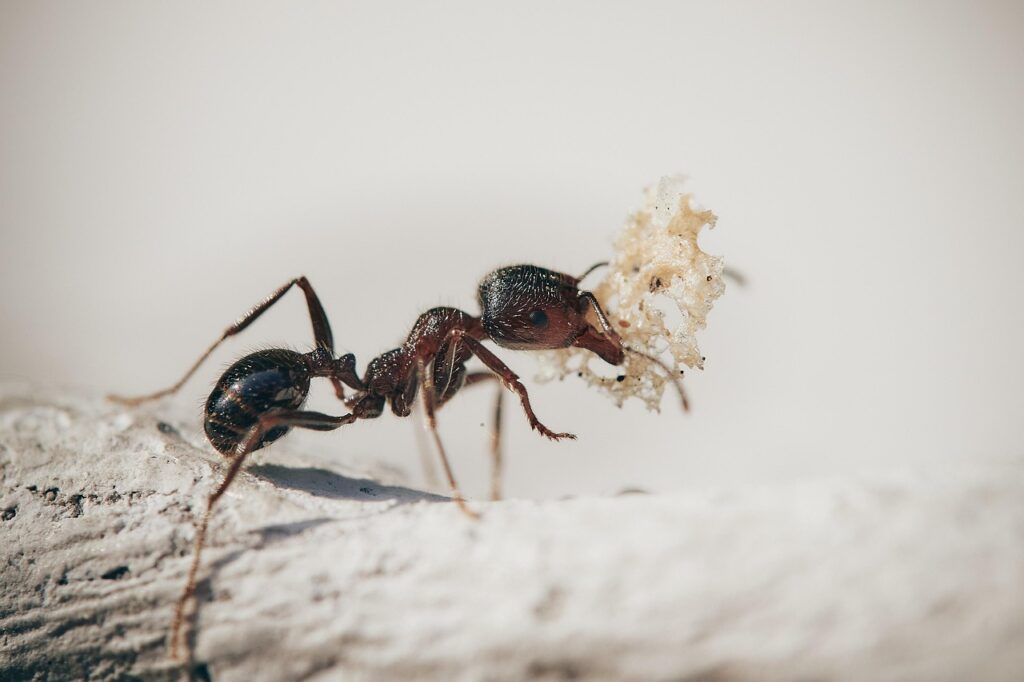
Why Ants Move Indoors When the Weather Gets Cold
Ants respond strongly to environmental changes. As outdoor temperatures fall, food becomes scarce, and colony survival becomes more challenging. Homes provide dependable warmth and resources, making them ideal winter shelters for many ant species.
Cold weather triggers these behavioral changes:
- Ants follow heat sources that lead into wall voids and foundation gaps
- Moisture-rich indoor areas support winter survival and colony stability
- Limited outdoor resources push ants toward indoor food access
Ants often enter through tiny cracks, utility line openings, and compromised seals. Once inside, they establish satellite colonies close to food and moisture. Kitchens become the most common target due to crumbs, spill,s and accessible storage.
Many homeowners reinforce their homes before winter, yet still overlook conditions that attract pests. Guidance from winter pest prep highlights how small vulnerabilities lead to significant winter pest activity, including ants.
Understanding these seasonal patterns helps homeowners make informed decisions about preventive maintenance.
Where Ants Tend to Hide Indoors During Winter
Ants do not remain in open areas. They prefer dark, protected spaces that maintain stable humidity and temperature. Once indoors, they build networks of tunnels in structural gaps, which allows them to move undetected for long periods.
Common indoor hiding locations include:
- Behind baseboards, wall voids, and insulation
- Around plumbing fixtures, sinks, and utility rooms
- Inside cabinets, pantry corners, or under appliances
These areas provide warmth and safety, allowing colonies to expand without being disturbed. Plumbing areas are especially attractive because even small leaks provide enough moisture to support entire ant populations.
Winter ant control becomes more difficult when colonies become established indoors because these protected environments shield them from temperature fluctuations. Without addressing structural gaps, moisture issues, or attractants, ants continue spreading throughout the home.
Essential Home Maintenance for Stronger Ant Prevention
Preventing ants from entering the home begins with reducing conditions that encourage indoor nesting. Winter preparation should focus on sealing, sanitation, and moisture management. Although these steps do not replace structured ant control, they are essential to reducing the chance of winter invasions.
Effective preventive steps include:
- Sealing small openings, gaps around utility lines, and cracks near the foundation
- Reducing indoor moisture by fixing leaks and improving ventilation
- Maintaining clean kitchen surfaces and ensuring food is properly stored
Sealing entry points is one of the most powerful preventive measures. Ants take advantage of cracks that homeowners often overlook. Pay close attention to door thresholds, window frames, and areas where pipes enter the home.
Moisture management is equally important. Leaky faucets, damp basements, or poorly ventilated bathrooms help ants survive during winter. Improving airflow and repairing leaks reduces these attractants.
Cleanliness supports ant prevention by eliminating crumbs, grease, and exposed food. Properly sealed containers prevent ants from accessing food sources that encourage indoor foraging behavior.
Outdoor maintenance matters too. Yard conditions often affect indoor activity, and many ant issues begin outside before moving indoors. Our article on yard maintenance tips provides valuable insights into how outdoor environments influence ant populations.
How Weather Patterns Affect Ant Activity and Entry Behavior
Cold weather changes how ants forage, build nests, and navigate structural openings. When temperatures drop suddenly, ants move quickly to find heat. Slow temperature drops can cause a gradual migration toward the home. Both scenarios increase the likelihood of winter invasions.
Weather influences ant behavior in several important ways:
- Sudden cold fronts reduce outdoor activity and push ants inside faster
- Extended periods of moisture lead ants to seek consistently dry shelter
- Fluctuating temperatures cause ants to move unpredictably in search of warmth
Storm activity, moisture buildup, and frost all contribute to ant migration. Homes with damaged siding, compromised roofing, or poorly sealed foundations experience higher rates of indoor ant activity because ants can easily use weather-created openings.
Understanding these patterns allows homeowners to time inspections and repairs more effectively. Weather-related vulnerabilities are often subtle, and early action prevents long-term infestations.
Why Professional Support Makes Winter Ant Control More Effective
Ants are among the most difficult pests to eliminate once they establish indoor colonies. DIY solutions often focus on treating visible ants rather than addressing the colony structure hidden inside walls. Professionals use targeted products, thorough inspections, and structured strategies that interrupt colony behavior and prevent recurrence.
Professional ant control helps because:
- Experts identify species-specific habits and nesting patterns
- Treatments target colony infrastructure rather than surface activity
- Structural vulnerabilities and moisture conditions are addressed comprehensively
Ant colonies vary widely in behavior and preferences. Some species nest in soil, while others prefer wood or insulation. Without identifying the species accurately, treatment becomes much less effective.
Professionals also evaluate the home holistically, identifying moisture issues, entry points, and environmental factors that support survival. Most importantly, they disrupt the reproductive cycle and eliminate the colony at its source.
When Ants Look for Warmth, Protect Your Home
If cold weather is driving ants indoors, early action prevents widespread infestations. Contact WPC Services for expert ant control and year-round ant prevention solutions tailored to your home.