
As temperatures drop, many pests alter their behavior in search of warmth, shelter, and reliable food sources. Openings that seem harmless during warmer months can become primary access points once winter conditions set in. From an expert perspective, sealing entry points is one of the most effective ways to reduce winter pests and limit the risk of infestations developing deep inside the structure.
Winter pest prevention is proactive rather than reactive. It focuses on understanding how pests move through buildings, what structural weaknesses they exploit, and how cold weather increases pressure on indoor spaces. Professional strategies prioritize early identification and proper sealing of these vulnerabilities before pests settle in.
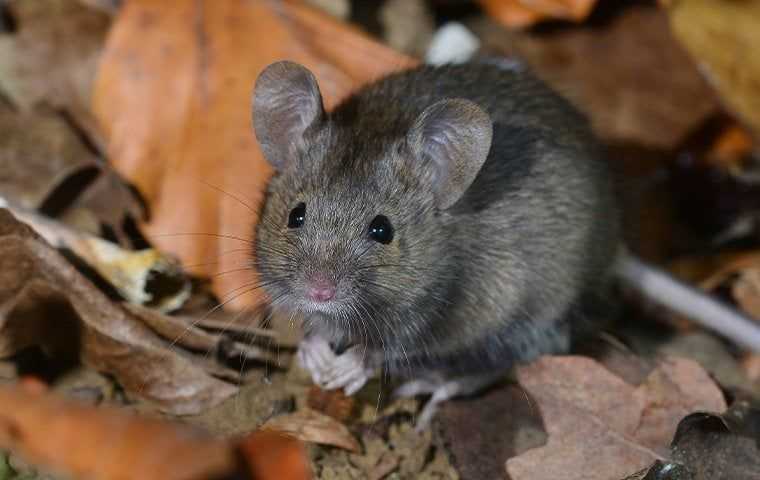
Why winter increases pest entry pressure
Cold weather forces many pests to abandon outdoor habitats and seek protected environments. Buildings naturally attract pests because they retain heat and provide shelter from wind and moisture. Even well-maintained homes can develop entry points due to material contraction, settling, and seasonal wear.
Winter pest pressure increases because:
- Pests follow heat loss patterns along foundations and exterior walls
- Seasonal contraction opens gaps around siding, trim, and utility penetrations
- Outdoor food sources decline, increasing indoor attraction
- Reduced activity in garages, attics, and crawl spaces allows undisturbed entry
These seasonal changes explain why sealing is most effective before winter pests establish themselves inside. Once pests move into wall voids or insulation layers, detection becomes more difficult and infestations can spread unnoticed.
Common entry points professionals inspect first
Professional inspections focus on areas where structure, warmth, and concealment intersect. These locations consistently serve as access routes for winter pests and require durable sealing methods.
Experts routinely inspect:
- Foundation cracks and expansion joints
- Gaps around exterior piping and utility lines
- Door thresholds, window frames, and worn weather stripping
- Roofline intersections, soffits, vents, and fascia openings
Because many pests can enter through extremely small gaps, sealing must be precise and weather-resistant. Temporary fillers or surface repairs often fail once temperatures fluctuate, allowing pests to regain access.
How wall systems and insulation affect pest access
Wall cavities provide ideal winter shelter for pests due to retained warmth and limited disturbance. Insulation plays a significant role in how pests harbor, travel, and remain concealed within these spaces. Poorly sealed wall systems allow pests to enter and move freely between rooms.
Professionals assess:
- Gaps behind siding that connect directly to wall voids
- Unsealed top plates and bottom plates
- Insulation displacement caused by nesting or movement
- Air leaks that indicate hidden access paths
Understanding how insulation harboring risks affects pest behavior helps explain why exterior sealing alone is often insufficient. Effective sealing addresses both the outer entry point and the interior pathways pests use once inside the structure.
Why sealing requires more than surface repairs
Sealing pest entry points is not a cosmetic task. Pests tend to reuse proven access routes, and surface-level repairs often fail during freeze-thaw cycles. Professional sealing strategies account for frequency of use, structural movement, and environmental exposure.
Professional sealing typically involves:
- Using materials designed for temperature fluctuations
- Reinforcing high-risk areas rather than spot-filling gaps
- Addressing moisture conditions that weaken sealants
- Preserving proper ventilation while sealing access points
This comprehensive approach reduces the likelihood of pests reopening sealed areas or finding alternative routes. It also minimizes the need for repeated repairs throughout winter, providing longer-lasting protection.
Preparing the entire structure for winter pests
Effective sealing works best when combined with whole-structure preparation. Winter pest prevention is most successful when the home is evaluated as a connected system rather than isolated problem spots.
Whole-home preparation often includes:
- Coordinating sealing with seasonal exterior maintenance
- Evaluating crawl spaces, attics, garages, and basements together
- Reducing nesting conditions near known access points
- Monitoring sealed areas after temperature changes
Understanding winter pest preparation clarifies why sealing should be part of a broader strategy. Professional assessments ensure sealing efforts align with real pest movement patterns, reducing the chance of overlooked vulnerabilities.
Long-term benefits of professional sealing
Homes that are properly sealed experience fewer winter pest issues and less seasonal disruption. Addressing vulnerabilities before cold weather peaks helps prevent pests from settling in areas that are difficult to access later.
Long-term benefits include:
- Reduced indoor pest activity during winter
- Less damage to insulation and structural components
- Improved energy efficiency from reduced air leakage
- Lower likelihood of recurring infestations each season
From an expert standpoint, sealing is preventative maintenance. When done correctly, it supports pest control goals while improving overall building performance and comfort.
Keep winter pests out before they get inside
Winter pests exploit small openings and structural weaknesses as temperatures fall. Sealing those entry points early makes a measurable difference. For expert inspection and professional sealing strategies, contact WPC Services to protect your home before winter conditions invite unwanted pests indoors.