
A termite colony doesn’t appear overnight. These pests are slow but relentless, often nesting in silence for months or even years before you notice a problem. Because they typically stay out of sight, behind walls, beneath floors, and inside wood structures, it’s not always easy to detect them early. By the time visible damage occurs, your home’s structure may already be compromised.
Recognizing the signs of termites early is the best way to avoid long-term damage and expensive repairs. Below, we walk through the most common indicators of a hidden termite colony and why timely inspection matters.
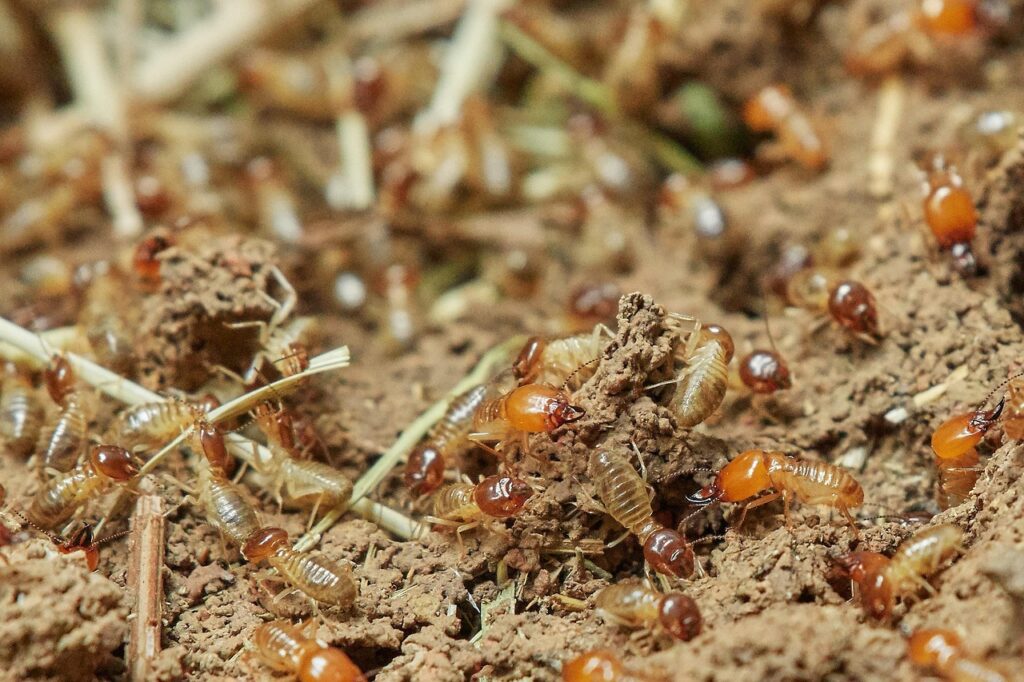
Subtle Clues in Walls, Floors, and Furniture
Termites leave behind distinct patterns as they tunnel through wood and other cellulose-based materials. These aren’t always dramatic or obvious, but knowing what to look for can help you catch a colony before it spreads.
- Hollow-sounding wood: Tap on wooden beams, baseboards, or floorboards. If they sound hollow, termites may have tunneled through them from the inside.
- Bubbling or peeling paint: Moisture from termite activity can cause paint to blister, similar to water damage.
- Buckling floors or sagging ceilings: Termites weaken support structures, causing visible warping or deformation over time.
- Small pinholes or grooves in wood: Exit holes or surface grooves may signal areas where termites have emerged or foraged.
You may notice these issues during renovations or when moving furniture. They’re often dismissed as aging materials, but they can be early red flags.
Mud Tubes and Telltale Trails
Termites build mud tubes to move safely between their colony and food sources. These pencil-thin tunnels are made of soil, saliva, and wood particles and are typically found:
- Along foundation walls or basement edges
- Underneath crawl spaces or decks
- Behind cabinets, baseboards, or insulation
- On the exterior of the home, especially near landscaping
These tubes are vital to a termite’s survival and are one of the most visible signs of a growing termite colony. If you break a mud tube and see live termites inside, the infestation is active.
For homeowners unfamiliar with the damage termites can inflict, you can take a closer look at how termites compromise more than just timber.
Sounds and Swarms: Activity You Can Hear or See
Though termites are quiet invaders, they occasionally make their presence known through subtle sounds or sudden bursts of movement.
- Clicking or tapping inside walls: Soldier termites bang their heads to signal danger, and worker termites can be heard chewing in quiet environments.
- Winged termite swarms: Reproductive termites (called alates) swarm during warm months, typically near windows or lights.
- Discarded wings: After swarming, alates shed their wings near doors, windowsills, or vents.
- Frass (termite droppings): Drywood termites leave small, pellet-like droppings around infested areas.
Swarmers are a key sign that a mature colony may be nearby. If you spot one indoors, there’s a strong chance the nest is inside your home.
Weak or Damaged Exterior Structures
Some infestations start from the outside in. Termites often target fences, sheds, decks, or even landscaping features before entering the home. Look for:
- Crumbling wood at ground level
- Mud tubes on exterior siding or concrete
- Damaged tree stumps or wooden planters
- Gaps in wood siding or trim
Neglecting outdoor signs can give termites a pathway straight into your home. Preventing this often starts with smart landscaping choices and awareness of weather patterns, as moisture levels directly affect colony behavior. You can read more about this connection in the context of effective termite control.
Why Early Detection Requires Professional Help
While these signs are helpful, not all termite colonies give off visible warnings. Subterranean termites, in particular, can stay hidden deep within soil and foundations for long periods. That’s why professional inspections and monitoring are essential to uncovering and eliminating an infestation before it becomes severe.
Professionals use specialized tools, like moisture meters, infrared imaging, and acoustic sensors, to detect termite activity in inaccessible areas. They also know how to identify vulnerable zones and recommend tailored solutions that align with the building’s structure and environment.
Even if you haven’t seen obvious signs, a trained eye might spot early-stage activity that would otherwise go unnoticed. Avoid relying on temporary DIY fixes, as they often fail to address the root cause or eliminate the colony.
Take Action Before Termites Take Over
A termite colony can go undetected until it causes costly structural damage. Don’t wait for obvious signs. If you’ve noticed even minor clues or simply want peace of mind, reach out to WPC Services for an expert termite assessment and guidance tailored to your home’s specific risk factors.