
As outdoor temperatures fall, many homeowners notice a sudden increase in rodent activity inside living spaces. Scratching sounds, droppings, or unexpected sightings often appear just as cooler weather settles in. This shift is not random. Rodents follow predictable seasonal behavior patterns driven by survival needs, and residential structures offer exactly what they are seeking when conditions change.
From a professional perspective, cold weather does not slow rodents down. Instead, it redirects their activity. Understanding why rodents move indoors during colder months helps explain why infestations often seem to begin abruptly and why early intervention plays such an important role in effective rodent control.
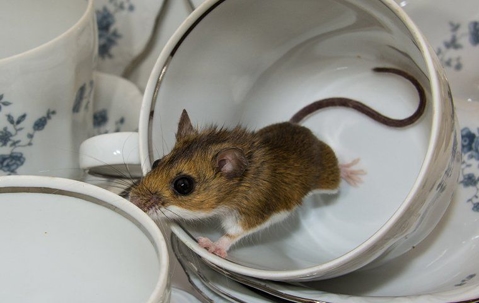
How Cold Weather Triggers Rodent Movement
Rodents rely on consistent access to food, warmth, and shelter. As temperatures drop, outdoor environments become less reliable. Natural food sources decline, vegetation thins, and exposure to cold increases energy demands. To survive, rodents shift toward environments that provide stability.
Several seasonal factors drive this movement:
- Falling temperatures that make outdoor nesting unsafe
- Reduced availability of natural food sources
- Snow or heavy rain is limiting mobility.
- Increased energy is needed to maintain body heat.
Homes unintentionally meet all these needs. Wall voids, attics, basements, and crawl spaces provide insulation and protection from predators. Once rodents locate a viable entry point, they can remain active indoors throughout winter. This transition period is explored further in this resource on cool weather adaptation, which explains how behavior shifts as conditions change.
Why Homes Are Ideal Winter Shelters
Residential structures create microclimates that rodents exploit during colder months. Heating systems generate warm air that escapes through small gaps and cracks, effectively guiding rodents toward entry points. Once inside, they follow predictable travel routes along walls, pipes, and wiring.
Rodents are drawn to homes because they offer:
- Stable temperatures regardless of outdoor conditions
- Consistent access to stored food and waste
- Hidden spaces suitable for nesting
- Reduced exposure to predators and weather
These conditions allow rodents to conserve energy and reproduce even when outdoor survival becomes difficult. Infestations often remain hidden at first, developing inside walls or insulation before signs become obvious. This is why early awareness matters, especially as temperatures begin to fall.
Common Entry Points Rodents Use in Colder Months
Rodents do not need large openings to gain access. Mice and rats can squeeze through surprisingly small gaps, many of which expand slightly as materials contract in cold weather. Seasonal changes often reveal vulnerabilities that go unnoticed during warmer months.
Common entry points include:
- Gaps around utility lines and vents
- Cracks in foundations and siding
- Spaces beneath doors or garage thresholds
- Roofline openings near eaves and soffits
Once inside, rodents establish travel routes that connect nesting areas to food sources. These routes often remain hidden until activity increases. Homes that have not been evaluated before winter are especially vulnerable. Guidance on seasonal preparation is outlined in this article on winter intrusion prep, which highlights why timing plays a critical role.
The Risks of Ignoring Early Rodent Activity
Early rodent activity may seem minor, but it often signals a growing issue. Rodents reproduce quickly and can cause damage long before their presence becomes obvious. Chewing behavior, nesting, and contamination occur continuously once rodents settle indoors.
Potential risks include:
- Damage to wiring, insulation, and structural materials
- Contamination from droppings and urine
- Increased fire risk from gnawed electrical lines
- Attraction of other pests due to waste and nesting debris
Because winter conditions keep rodents indoors longer, these risks persist for months if unaddressed. Activity may slow temporarily, giving the impression that the problem has resolved, only to resurface later. This cycle often leads to repeated infestations each winter when underlying conditions remain unchanged.
Why Professional Rodent Control Is More Effective in Winter
Winter rodent activity requires a comprehensive approach that accounts for behavior, structure, and seasonal patterns. Surface-level solutions often address visible rodents without resolving how and why they entered. Professional rodent control focuses on identifying access points, nesting areas, and environmental factors together.
Professional evaluation typically involves:
- Inspection of foundations, rooflines, and utility penetrations
- Identification of rodent travel paths and nesting zones
- Assessment of conditions supporting ongoing activity
- Development of strategies tailored to winter behavior
This approach reduces the likelihood of rodents returning year after year. Rather than reacting to sightings, professional oversight emphasizes prevention and long-term protection. Winter is a critical time for this evaluation because rodents are more concentrated indoors, making patterns easier to identify.
Rodents move indoors during colder months because homes offer what the outdoors cannot. Recognizing this behavior helps shift expectations from surprise to preparedness. Addressing the issue early reduces damage, health concerns, and ongoing stress throughout the winter season.
Stay Ahead of Cold Weather Rodent Activity
Rodent movement indoors is a predictable response to dropping temperatures. Early awareness and informed action make a meaningful difference in preventing long-term problems. For expert guidance and effective rodent control during colder months, contact WPC Services to protect your home before seasonal activity escalates.